

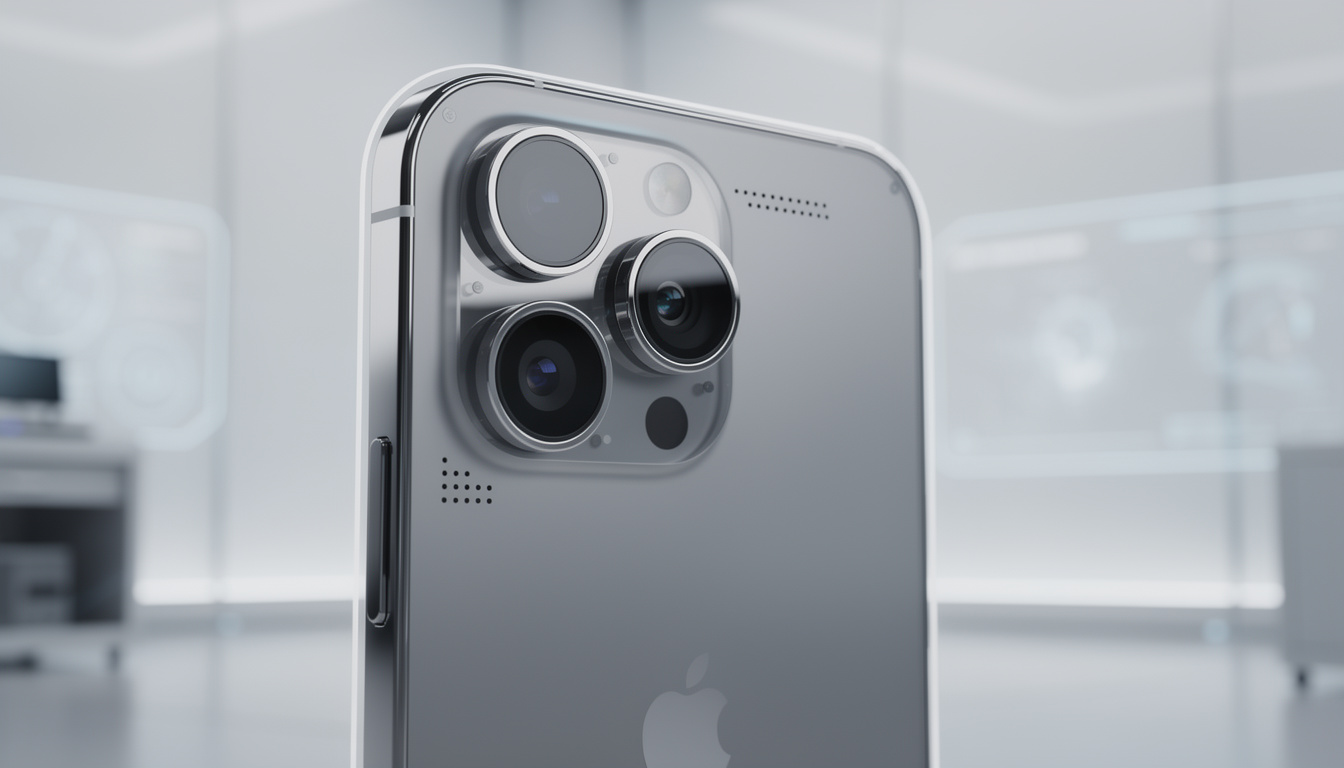
Apple appears to be preparing a high-resolution camera upgrade that could reshape how future iPhone photos are captured, cropped, and processed. As smartphone imaging becomes a key reason to upgrade, even small sensor changes can have a major effect on everyday use. Recent reporting and supply-chain signals suggest Apple is looking beyond simple megapixel marketing, with a broader push tied to sensor performance, image processing, and AI-assisted photography.
Why Apple’s high-resolution camera move matters now
For years, Apple has treated camera upgrades as a balance between hardware gains and software control. That approach helped the iPhone stay competitive even when rivals pushed larger sensors or higher megapixel counts first. Now, a new high-resolution camera direction matters because users increasingly expect one device to handle portraits, low light, travel shots, and video creation without compromise.
Recent analyst notes from Ming-Chi Kuo and reporting from outlets such as MacRumors and 9to5Mac have pointed to Apple’s ongoing work on next-generation camera systems across the iPhone lineup. While some exact specifications remain unconfirmed, the trend line is clear. Apple has been steadily expanding computational photography, sensor-shift stabilization, and Pro-level imaging features, and a higher-resolution sensor would fit that path naturally.
The practical impact is not just about sharper images. A denser sensor can improve digital crop flexibility, give more room for computational reframing, and support cleaner detail retention in good light. Based on the reported design direction and Apple’s past strategy, the company is likely aiming for a system that combines optical quality with machine-led processing rather than chasing raw numbers alone.
That distinction matters because consumers have grown more skeptical of megapixel claims. A camera that performs well in motion, backlight, and night scenes will always matter more than a spec sheet headline. Apple seems to understand that, and that is why this rumored shift deserves close attention.
What a high-resolution camera could change on future iPhone models
A higher-resolution sensor opens several paths at once. The most obvious is improved image detail, especially in daylight, architecture, and landscape photography. It could also let Apple offer more precise in-sensor crop modes that mimic focal lengths without the same quality loss seen on older digital zoom systems.
This would be especially useful for users who shoot on the move. A parent at a school event, a traveler on a city street, or a creator filming a quick product clip all benefit from more framing flexibility. Instead of stepping closer or switching lenses constantly, the phone could preserve detail while letting the user crop later.
Video may be just as important as still photography. A stronger sensor can support oversampling, better stabilization margins, and cleaner 4K or even future 8K workflows, though Apple has historically been selective about adding resolutions only when processing and storage are ready. That cautious method often frustrates spec-focused buyers, but it usually protects the overall user experience.
There is also the question of processing overhead. Higher-resolution capture means larger files, greater ISP demand, and more pressure on battery life and thermal control. That is where Apple’s silicon advantage matters. Tight integration between the A-series chip, Neural Engine, and iOS imaging pipeline could allow the company to manage a larger sensor without turning the camera app into a sluggish experience.
Several likely benefits stand out:
- Sharper crop performance for portraits, travel, and social content
- Better detail retention in bright outdoor scenes
- More flexible video framing during editing
- Stronger computational photography when paired with AI-based image processing
Sensor technology, AI imaging, and the hardware challenge
Apple’s camera progress rarely comes from one component alone. Sensor design, lens quality, image signal processing, and AI-based scene analysis all work together. If a high-resolution camera upgrade is on the way, the real story is how Apple combines those parts into a coherent imaging stack.
Competitors such as Samsung and Google have already shown two different paths. Samsung often pushes hardware-forward numbers, while Google leans heavily on computational photography. Apple tends to sit between those approaches, and that middle ground has been one of its strengths. The company usually waits until the sensor, the chip, and the software can operate as a single system.
This is also where image quality becomes more nuanced than most marketing suggests. More pixels can help, but tiny pixels can also struggle in low light unless pixel binning and advanced processing step in. Based on sensor trends seen across the market in 2024 and 2025, Apple would likely rely on multi-frame capture, AI scene optimization, and improved HDR pipelines to turn raw resolution into visible gains.
The broader device context matters too. Users comparing ecosystems may also look at platform maturity, app optimization, and camera consistency. Readers interested in mobile software differences can also explore this look at Google’s mobile OS Android, because imaging features increasingly depend on the operating system as much as the lens module itself.
| Key detail | Why it matters |
|---|---|
| Higher sensor resolution | Allows cleaner crops and more detail in well-lit scenes |
| AI image processing | Helps manage noise, HDR, and color accuracy |
| Apple silicon integration | Supports faster capture and efficient on-device processing |
| Potential video gains | Improves oversampling and editing flexibility |
There is a useful comparison here with other optical fields. Space imaging, for example, shows how sensor quality alone does not define the final result. Processing, stabilization, and signal interpretation matter just as much, a point reflected in coverage of the James Webb Space Telescope. On phones, the scale is smaller, but the principle is similar.
How Apple could position this upgrade in the premium market
Apple does not need to be first to make a camera change matter. It needs to make the change feel reliable, clear, and useful in daily life. That is usually how the company frames premium features, and a next-step imaging upgrade would likely be tied to Pro branding, creator workflows, and practical benefits instead of a simple megapixel race.
The company also has to consider pricing pressure. Smartphone buyers have become more selective, especially in the premium segment. A better camera remains one of the few features that can still motivate a faster upgrade cycle. If Apple can show visible gains in portraits, zoom crops, and low-light video, the commercial case becomes stronger.
This may also connect with Apple’s broader trust message around privacy and on-device processing. In consumer tech, reliability often beats novelty. That same instinct explains why some users still value resilient local systems, including products discussed in offline security approaches for connected devices. In photography, local AI processing and consistent output can be more appealing than flashy but unstable features.
The next few product cycles should show whether Apple sees this as a headline feature or as one part of a wider imaging refresh. Either way, the signal is meaningful. When Apple puts serious effort into camera hardware, the rest of the market tends to respond.
Frequently asked questions
Will Apple add a high-resolution camera to every iPhone model?
That remains unclear. Apple often introduces major camera hardware changes on Pro models first, then expands them later if costs and supply allow.
Does a higher megapixel count always mean better photos?
No. Sensor size, lens quality, image processing, and low-light performance all shape the final image, sometimes more than resolution alone.
Could this upgrade improve video too?
Yes. A better sensor can help with oversampling, crop flexibility, and stabilization, especially when paired with strong Apple silicon processing.
Why is Apple taking this route now?
This is an inference based on recent reporting, supply-chain expectations, and competitive pressure in premium smartphone photography. Camera quality remains one of the clearest reasons consumers upgrade.
Want more tech and innovation coverage like this? DualMedia Innovation News tracks the technology shifts that actually matter, from AI to foldable hardware to the next wave of consumer products.
 EN
EN  FR
FR  ES
ES