

Toronto and Vancouver are upgrading stadiums, transport, and fan zones for top-tier football events. Discover how both cities prepare to experience elite matches live.
It’s time to take these two seriously as live match day ecosystems. They have both improved training facilities, tested transportation plans, and have their staff practicing the small details involved in hosting fans at their stadiums. It feels like it is coming quickly. Elite soccer fans know when something special is happening. That is why this is the perfect time to be paying close attention to what is developing.
Stadium Readiness Is Moving From Plans to Execution
Stadium readiness in Toronto is shifting from planning to full execution, with detailed drills simulating packed crowds. Teams are testing everything in real time, and Melbet reflects how closely fans now follow every stage of preparation. Staff is checking entry flow, security layers, and emergency responses under pressure. Every section, from premium seats to the upper tier, gets equal attention so nothing breaks on game day.
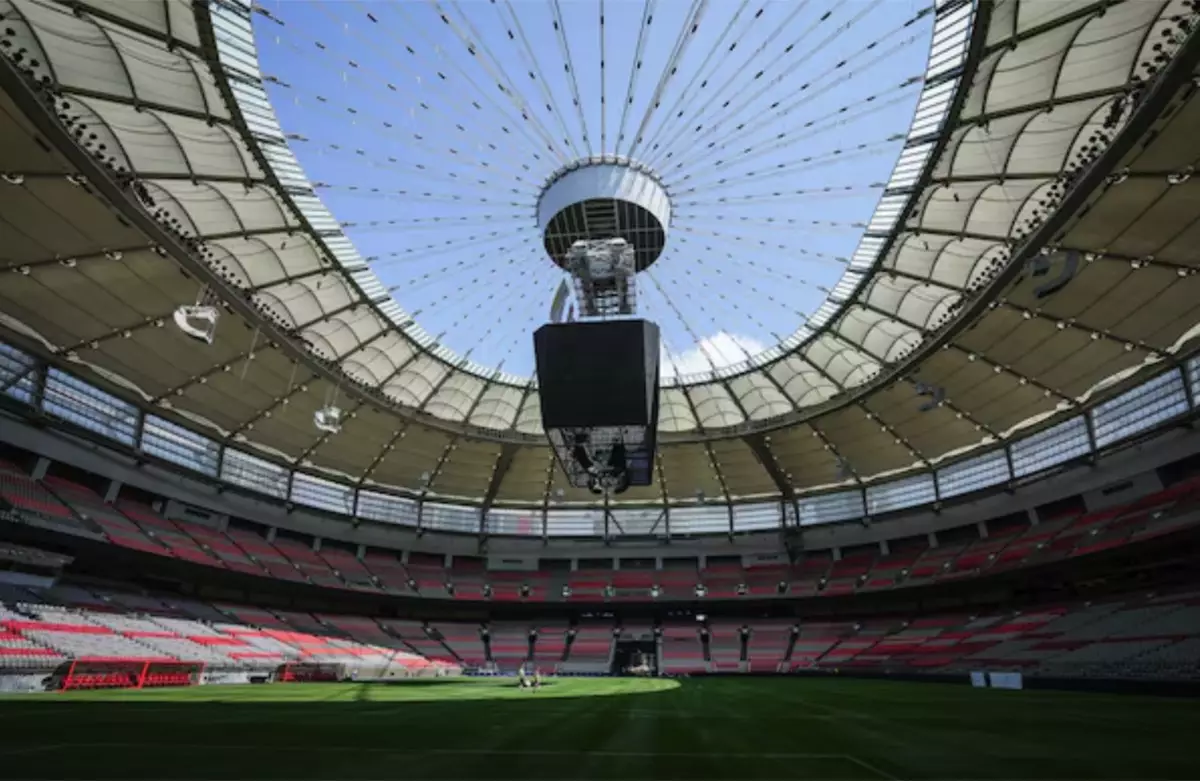
In a similar fashion, Vancouver will also create a flexible atmosphere inside an enclosed stadium. In addition to adjusting broadcast quality (including camera angles), they will also be able to adjust lighting levels and the playing surface to ensure player safety. At this point, they are no longer guessing; they are preparing, making adjustments, and finalizing all decision-making processes.
Transport and Fan Movement Are Being Treated as Game-Day Assets
Moving thousands of supporters efficiently is now part of the competitive standard, not an afterthought. Both cities are mapping routes, syncing schedules, and preparing for sudden surges before kickoff and after full time:
- Expanded public transit frequency aligned with match windows
- Dedicated fan zones near stations to reduce last-minute congestion
- Clear multilingual signage across key transport hubs
- Real-time updates through city apps and stadium communication systems
These adjustments reduce friction and shape the overall experience. When fans move smoothly, everything else feels sharper and more controlled.
Match Experience Is Being Designed Beyond the Pitch
The focus is no longer limited to the ninety minutes; the entire day is structured around engagement. Cities want visitors to arrive early, and Melbet casino reflects the fact that entertainment now extends beyond the game itself. They aim to keep people longer and make them feel part of the event. That means curated zones, local food integration, and controlled entertainment spaces.
Toronto Is Building a Dense, Walkable Football Core
Toronto concentrates activity around the stadium, creating a tight network of fan areas within walking distance of each other. Streets are partially closed, allowing space for safe movement and spontaneous gatherings. This approach keeps energy centralized and reduces dependence on transport between activities.
Local vendors and community groups are included to reflect the city’s diversity without losing focus on the match. The goal is not just volume but identity. Fans should feel where they are without being told.
Vancouver Is Prioritizing Flow and Scenic Integration
Vancouver uses its geography to shape the experience, guiding fans along waterfront routes and through open public spaces. Movement feels less compressed, with space to breathe before entering the stadium environment. This reduces pressure points and naturally spreads crowds.
Organizers balance scenic appeal with control, ensuring that open spaces remain manageable. The city’s layout becomes part of the event rather than a backdrop. That subtle difference changes how visitors remember the day.
Teams and Training Facilities Are Getting Equal Attention
Preparation is not just about stadiums; training sites are also being improved to match the level of other international competitions. Teams need high-quality, consistent playing surfaces and privacy while practicing. The cities are investing in facilities with minimal distractions where teams can train at their best.
Both Toronto and Vancouver have organized logistics surrounding all aspects of their training facilities (transportation, etc.) to allow players to travel seamlessly from hotels to practice fields to stadiums. This allows both the quality of training and the competitive integrity of the event to be maintained through reduced variables.
The Cities Are Acting Like Hosts, Not Just Venues
Vancouver and Toronto are making changes now, so when the World Cup comes, it will not be the first time fans see an excellent experience. Each decision made regarding transportation, food courts, viewing areas (fan zones), etc., has been deliberate and shows a clear direction. If this trend continues, by the time fans arrive in each city, they will have experienced what it means to live within a world-class soccer culture.