

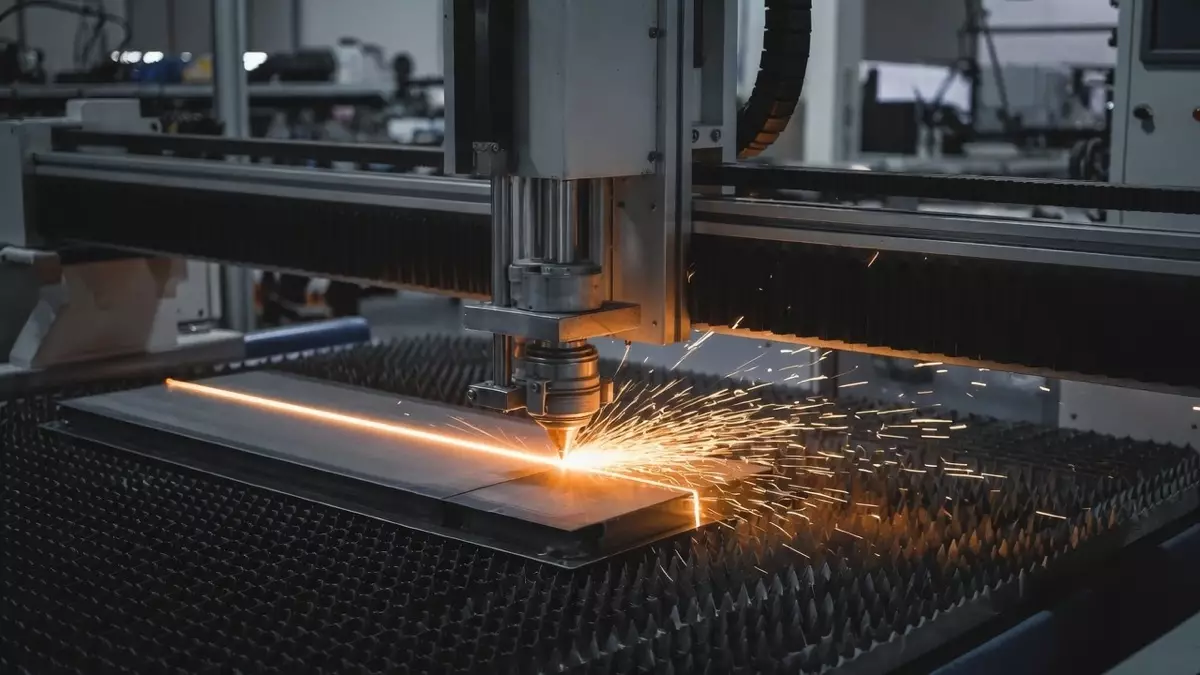
In a CNC shop, the spindle gets all the attention. Yet the part it cuts has to be held perfectly still, every time, or the whole job is wasted. That unglamorous task of holding the part is where a lot of quiet productivity is won or lost.
For years it meant cranking a manual vise by hand. Today, pneumatic workholding solutions clamp and release parts automatically, with consistent force and far less effort. This guide explains how the technology works and why shops are switching.
What Is Workholding, and Why Does It Matter?
Workholding is the system of clamps and fixtures that secure a part while a machine works on it. It sounds simple, but it largely decides whether machining succeeds or fails.
A part that shifts even slightly during a cut is scrap. CNC, or computer numerical control, is the automated control of machine tools by computer, and it can only deliver precision if the part stays exactly where the program expects. Workholding is what makes that possible.
The stakes rise with precision. The tighter the tolerance, the more a tiny movement matters, so secure, repeatable clamping is not optional on serious work. It is the foundation everything else is built on.
How Does Pneumatic Workholding Work?
This is where automation enters a traditionally manual task. The shift is simple but powerful.
Pneumatic workholding uses compressed air to clamp and release parts automatically. Instead of an operator turning a handle, a valve actuates the clamp with the same force every cycle. That consistency is its core advantage, and it pairs naturally with the wider move toward industrial automation on the shop floor.
Consistent force protects precision. Research from NIST on physical measurement underpins the tight tolerances modern machining depends on. When clamping force never varies, parts seat identically every time, which keeps those tolerances intact.
Why Switch From Manual Clamping?
The case is mostly about speed and repeatability. A manual vise is slow and only as consistent as the operator using it.
There is a safety dimension too. Automated clamping keeps hands away from the pinch points that OSHA machine guarding standards are designed to address. Faster cycles, steadier force, and safer operation make the switch an easy call for high-volume work.
Where Does It Make the Biggest Difference?
The gains are largest where parts are many and tolerances are tight. High-mix, high-volume shops feel it most.
Pulling manufacturing data from automated cells consistently shows the same pattern: faster setups and fewer rejects. The biggest wins cluster in a few areas:
- High volume. Cycle time saved on every part adds up.
- Tight tolerances. Repeatable force protects precision.
- Lights-out runs. Reliable clamping enables unattended work.
- Quick changeovers. Faster setups between jobs.
- Operator safety. Hands stay clear of the clamp.
Each scenario rewards consistency. The more parts you make, the more a repeatable clamp pays back.
| Factor | Manual clamping | Pneumatic workholding |
| Clamp force | Varies by operator | Consistent every cycle |
| Speed | Slow, hand-cranked | Fast, automatic |
| Repeatability | Operator-dependent | Machine-consistent |
| Safety | Hands near the work | Hands clear of pinch points |
| Unattended use | Difficult | Well suited |
The contrast is clear. As volume rises, pneumatic systems pull steadily ahead.
What Should You Consider Before Adopting?
It is not a fit for every job, so a few checks help. Matching the system to the work is key.
Run through these points first:
- Air supply. A reliable source of compressed air.
- Part volume. Higher volumes justify the investment.
- Fixture design. Clamps suited to your parts.
- Integration. How it ties into the CNC cycle.
For a one-off prototype, a manual vise is still fine. For repeatable production, the automated approach quickly earns its keep.
What to Remember
- Workholding secures the part so the machine can cut precisely.
- A part that moves during a cut becomes scrap.
- Pneumatic systems clamp with consistent force automatically.
- Consistency protects tight tolerances at high volume.
- Automated clamping keeps hands away from pinch points.
- The payback is greatest on repeatable, high-volume work.
Held Steady, Made Better
Workholding will never be the glamorous part of a CNC shop, but it is one of the most important. Pneumatic systems take a slow, manual, inconsistent task and make it fast, automatic, and repeatable. For shops chasing tighter tolerances, higher output, and safer operation, that quiet upgrade delivers an outsized return. Hold the part perfectly, and everything downstream gets easier.
Frequently Asked Questions
What Is Pneumatic Workholding?
Pneumatic workholding uses compressed air to clamp and release parts on a machine automatically. Instead of an operator manually tightening a vise, an air-powered actuator applies a consistent clamping force every cycle. This improves repeatability, speeds up setups, and keeps hands away from pinch points. It is widely used in CNC machining where parts must be held identically across large production runs.
How Is It Better Than a Manual Vise?
The main advantages are speed, consistency, and safety. A manual vise depends on how hard the operator cranks it, so force varies from part to part. A pneumatic system applies the same force automatically and far faster, which protects tight tolerances and shortens cycle times. It also keeps hands clear of the clamp, reducing the risk of injury during repetitive work.
Is Pneumatic Workholding Worth It for Small Shops?
It depends on the work. For one-off prototypes or very low volumes, a manual vise is usually adequate. But once a shop runs repeatable production, the time saved on each cycle and the reduction in rejects add up quickly. Many small shops find that even one automated fixture pays for itself through faster setups and more consistent, reliable results.
What Do You Need to Run Pneumatic Workholding?
The essentials are a reliable supply of compressed air, fixtures designed for your specific parts, and a way to integrate the clamping action into the CNC cycle. Most shops already have compressed air available, so the main planning is around fixture design and part volume. Matching the system to genuinely repeatable work is the key to getting a strong return.