

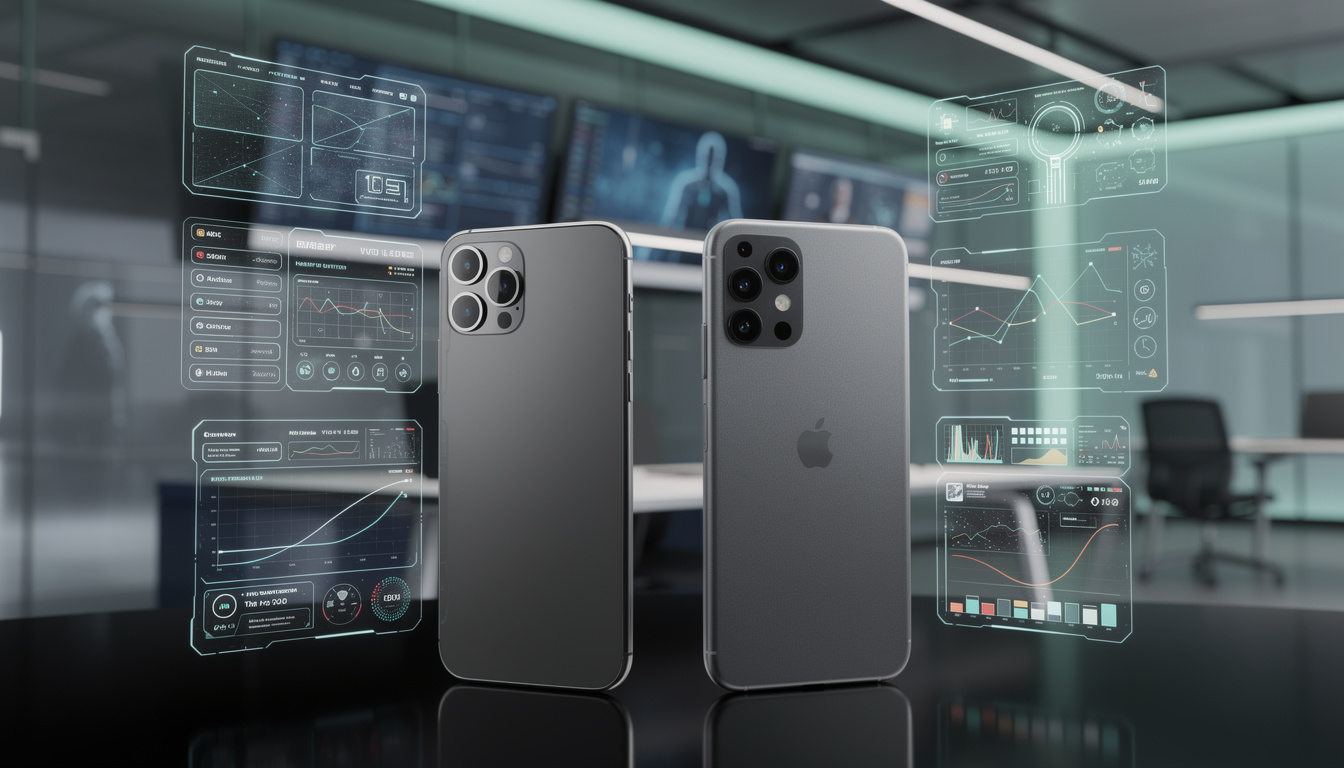
iOS 19 vs Android 17: A sharper choice for power users
It usually starts with something small, a missed notification during a commute, a file that refuses to sync before a meeting, or a battery dip halfway through a gaming session. For power users, those moments add up fast. That is why iOS 19 vs Android 17 is more than a spec-sheet fight. In 2026, the gap between Apple and Google is increasingly about workflow, update reliability, privacy controls, and how much freedom you want over your phone. Based on Apple’s software direction in recent iPhone releases, Android developer previews, and broader market reporting from outlets like PCMag and Android-focused industry coverage, this comparison looks at what actually matters when your phone is also your workstation, camera, wallet, and travel companion.
iOS 19 vs Android 17 in daily power use
The clearest difference is still philosophical. Android 17 gives you more room to shape the system around your habits, from launchers and default apps to home screen behavior and notification handling. iOS 19, based on Apple’s reported design direction and past strategy, is expected to keep pushing consistency, tighter device integration, and polished automation across iPhone, iPad, and Mac.
That sounds abstract until daily friction shows up. If you like controlling every shortcut, widget, and file path, Android remains the natural fit. If you want a phone that behaves predictably across devices with fewer surprises, Apple’s approach often feels smoother over time.
This split has been visible for years, and PCMag’s recurring Android versus iPhone comparisons have framed it in practical terms rather than brand loyalty. The real question is not which platform has more features on paper, but which one removes more friction from your own routine.
| Key detail | Why it matters |
|---|---|
| Android 17 customization depth | Better for users who want control over defaults, layouts, and system behavior |
| iOS 19 ecosystem consistency | Better for users already tied to Mac, iPad, Apple Watch, or AirPods |
| Update delivery model | Apple remains more predictable, Android varies by OEM and carrier |
| Hardware choice | Android spans budget to flagship, iPhone stays more premium |
Customization, multitasking, and automation
For advanced users, Android still has the edge in system flexibility. Different manufacturers layer their own UX choices on top of Google’s base software, and that can be a strength or a mess depending on the device. You can tailor default browsers, messaging apps, launchers, and automation tools with fewer guardrails.
Apple tends to offer fewer knobs, but cleaner behavior. That matters if your work involves fast context switching between cloud documents, calls, notes, and media tools. Based on Apple’s recent iOS releases, iOS 19 will likely extend that pattern rather than abandon it.
A practical way to think about it is simple:
- Android 17 suits users who want deep control and varied hardware options
- iOS 19 suits users who value predictability and stronger cross-device continuity
- Both now handle modern multitasking, cloud sync, and voice assistance well
- The difference shows up in edge cases, not basic tasks
That is also why adjacent trends matter. DualMedia’s look at Google AI Search shows how platform intelligence is becoming part of daily navigation, while the site’s coverage of AI personalization and privacy in daily services highlights why software defaults now shape far more than app icons.
Privacy, app quality, and the software ecosystem
Both platforms talk loudly about privacy, but they approach it differently. Apple has spent years making privacy a front-facing product message, especially with app tracking controls and on-device processing. Google’s Android model relies more on account-level controls, Play Protect, and features that can vary depending on the phone maker.
That does not mean Android is weak on security. It means the experience is less uniform. On an iPhone, settings and protections tend to look the same across supported models. On Android, a Pixel, Galaxy, and lower-cost handset can feel like three different interpretations of the same promise.
App quality follows a similar pattern. Apple’s App Store often feels more tightly curated, while Google Play offers broader reach and more installation freedom. For users in banking, media production, crypto wallets, or enterprise communication, that difference can shape reliability more than raw app count.
Updates, support windows, and long-term value
Ask any security-minded buyer what matters after launch day, and the answer is usually updates. Apple still holds the cleaner story here. Major iOS releases roll out across supported iPhone models on a unified schedule, and older devices often stay in the loop longer than many Android rivals.
Android has improved, especially among premium brands. Samsung and Google have stretched support promises on several flagship lines, but timing still depends on the OEM, region, and sometimes the carrier. Droid Gurus and broader 2026 market commentary both point to the same takeaway, predictability remains an Apple advantage.
That affects total cost of ownership. A cheaper Android phone may save money upfront, but shorter support, weaker resale, or inconsistent repair networks can change the math over three or four years. By contrast, iPhone prices start high, yet resale values often stay stronger, especially in mature markets like the USA and parts of the EU.
The same logic appears in other product categories. DualMedia’s report on iPhone 18 Pro leaks and its coverage of the M5 MacBook Air both reflect Apple’s wider strategy, keep users inside a long-lived, tightly linked hardware stack.
For readers who want a visual overview before going deeper, this comparison helps frame the trade-off:
Performance, gaming, and pro workflows
Performance is no longer just about benchmark scores. It is about sustained speed, thermal control, background task behavior, and whether your editing, gaming, or coding apps behave reliably after months of updates. Apple’s silicon integration still gives iPhone a strong reputation for long-term consistency, while Android flagships can deliver raw power with more variety in GPUs, displays, and thermal tuning.
For gaming, Android’s hardware diversity can be a plus if you want larger batteries, higher refresh rates, or aggressive cooling on select models. iPhone usually wins on optimization and developer attention, especially for premium mobile games. Based on current trends, iOS 19 vs Android 17 will likely remain a question of consistency versus range, not simple speed.
That distinction matters for developers too. If your phone doubles as a test device, tethering hub, remote admin tool, or two-factor authentication anchor, you need software behavior you can trust. Power users in web and mobile work often care less about flashy demos and more about whether background sync, file handling, and security prompts behave the same way every day.
Gaming and compute-heavy mobile experiences also connect to a broader hardware trend. DualMedia recently examined GPU-driven refresh rate gains and compared coding languages in a separate piece on C or Python for games. The takeaway is familiar, sustained performance depends on ecosystem choices, not just chips.
Switching costs and regional reality
Choosing between the two platforms is not just about features. It is about the baggage you already carry, cloud storage, photo libraries, accessories, messaging habits, smartwatches, family sharing, and subscription bundles. Once those layers build up, the cost of switching is often emotional as much as financial.
Regional factors matter too. In some markets, Android dominates because it offers more devices across price points and stronger local retail support. In others, iPhone keeps an edge through resale value, brand pull, and better alignment with premium carriers and service networks.
If a switch is on the table, the smartest path is staged migration. Move contacts, calendars, photos, and authentication tools first. Test the essentials before committing. That sounds boring, but it can save a week of frustration.
Frequently asked questions
Which platform is better for power users in 2026?
It depends on what “power user” means in your routine. If you want deeper customization and broader hardware choice, Android 17 is the stronger fit. If you care more about stable workflows, update consistency, and ecosystem cohesion, iOS 19 looks better.
Will iOS 19 have better privacy controls than Android 17?
Apple is likely to keep a tighter, more visible privacy framework, based on its recent software strategy. Android 17 should remain competitive on core protections, but the experience can vary more by manufacturer and device tier.
Does Android 17 still offer better value for money?
In upfront pricing, yes, Android still covers a much wider range from budget phones to premium flagships. Over several years, though, iPhone can close the gap through longer support and stronger resale value.
Is switching from iPhone to Android harder than the reverse?
Neither move is impossible, but both take planning. The biggest pain points are usually message history, photo libraries, password managers, and wearable accessories rather than the phone itself.
What to watch next
The most important shifts may not be the obvious ones. Based on current reporting, the next phase of iOS 19 vs Android 17 will be shaped by AI features, background assistance, and how much of your device behavior becomes predictive rather than manual. That can save time, but it also raises the stakes for privacy and trust.
For now, the choice is clear enough. Android 17 remains the better home for users who want freedom, hardware range, and system-level control. iOS 19 remains the safer bet for those who value polished continuity, dependable updates, and a phone that feels like part of a larger computing setup. For power users, the winner is the one that fits the way work actually gets done.
Want more tech and innovation coverage like this? DualMedia Innovation News tracks the technology shifts that actually matter, from AI to foldable hardware to the next wave of consumer products.
 EN
EN  FR
FR  ES
ES