

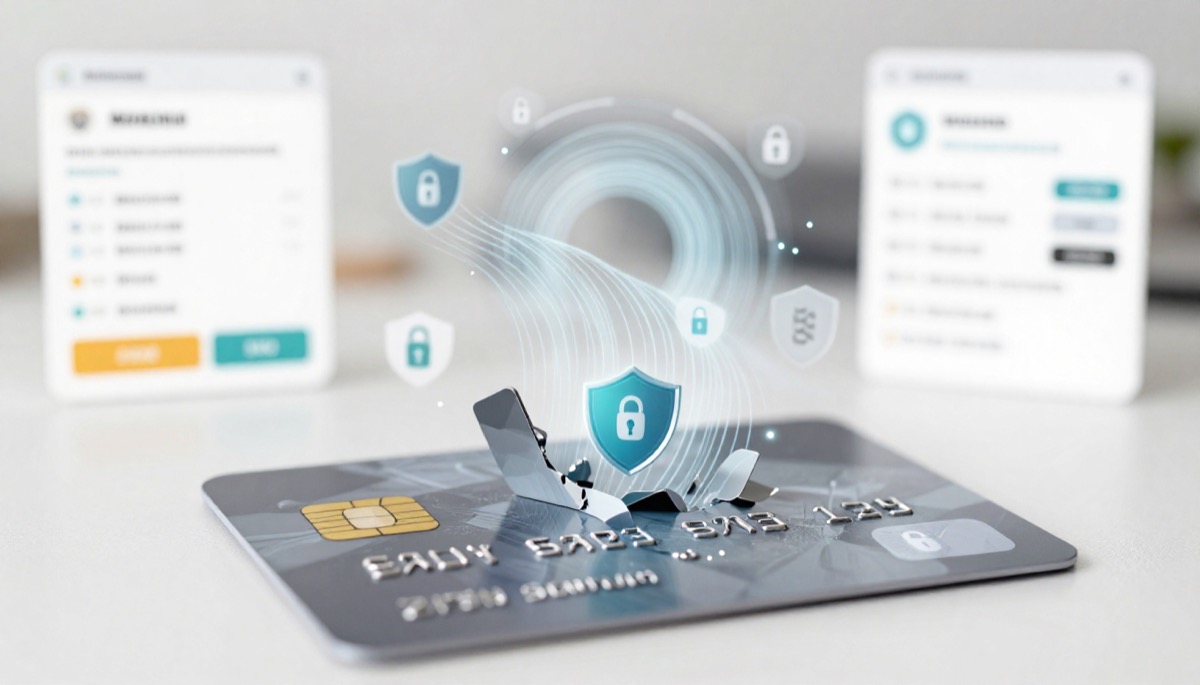
Data breaches happen so often that stolen card numbers sell on the dark web for less than a cup of coffee. Criminals buy this information and rack up fraudulent charges within hours. Yet digital payments keep growing at a ridiculous pace. Something clearly changed in how the industry handles card security.
That something is credit card tokenization. This technology quietly protects billions of transactions every year, and most people have no idea it even exists. Traditional card storage kept real account numbers in merchant databases, creating perfect targets for hackers. Tokenization flips this completely by ensuring actual card details never sit in vulnerable systems.
Why Traditional Card Storage Became a Liability
Old-school payment systems stored card numbers directly in merchant databases. Every online shop, every subscription service, every app with saved payment methods kept actual card information somewhere on their servers. One successful hack could expose millions of usable card numbers.
The problem wasn’t just the breaches themselves. Companies faced massive compliance costs trying to protect all that sensitive data. Customers grew nervous about saving cards anywhere. And fraudsters had endless opportunities to strike.
Breaking Down What Credit Card Tokenization Actually Does
So what is credit card tokenization in plain terms? The system replaces a card’s 16-digit number with a random identifier called a token. This token looks like a card number but reveals nothing useful. Hackers who steal tokens gain absolutely nothing because those tokens work only in specific contexts and can’t be used elsewhere.
The Basic Process Behind Every Tokenized Payment
Here’s what happens when someone saves a card using tokenization:
- Customer enters card details in an app or website
- Payment system sends information to a token service provider
- Provider generates a unique token and stores real card data in a secure vault
- Merchant receives only the token for future transactions
- Real card number never appears in the merchant’s system again
The entire process takes milliseconds. Customers notice nothing different about their checkout experience, yet the security improvement is massive.
How Tokens Stay Secure Across Different Platforms
A tokenized credit card works differently depending on where it’s used. Mobile wallets generate device-specific tokens that only work on that particular phone or watch. E-commerce sites create merchant-specific tokens that can’t be used at other retailers. This limits potential damage even if something goes wrong.
Payment networks control the translation between tokens and real card numbers. Only authorized parties within heavily protected environments can make this connection during transaction processing. The original card data lives in encrypted vaults, completely separated from the merchant’s infrastructure.
Where Tokenization Shows Up in Daily Life
Most people use credit card tokenization multiple times per day without realizing it. That tap-to-pay purchase at the coffee shop? Tokenized. The saved card on Amazon? Tokenized. Apple Pay, Google Pay, subscription renewals—all running on tokens working behind the scenes.
Mobile wallets represent the most visible application. Adding a card to a smartphone triggers a tokenization request to the payment network. The wallet stores the token in a secure chip, but the actual card number never touches the device. Even if someone steals the phone, they can’t extract usable card information.
Common Places Where Tokens Power Payments
Tokenization has spread across nearly every payment channel:
- In-store contactless payments through phones and smartwatches
- E-commerce checkout with one-click purchasing
- Subscription services handling recurring billing
- Ride-sharing apps processing automatic payments
- Streaming platforms managing monthly renewals
Each environment uses tokens tailored to its specific security needs. A token for Netflix won’t work at Spotify, and a token on an iPhone won’t transfer to an Android device without re-verification.
How This Differs from Basic Encryption
People often confuse tokenization with encryption, but they work completely differently. Encryption scrambles data into an unreadable format that can be decrypted with the right key. The sensitive information still exists in a transformed state. Steal the encryption key and everything unlocks.
Credit card payment tokenization removes the sensitive data entirely. No mathematical relationship exists between a token and the original card number. Unlimited computing power can’t reverse a token to reveal the account information because there’s nothing to reverse.
Real Security Advantages That Matter
The practical benefits of payment card tokenization extend beyond just blocking hackers:
- Merchants handle fewer compliance requirements since sensitive data isn’t in their systems
- Card updates happen automatically when banks issue replacement cards
- Customers can keep using tokenized payments even if their physical card gets stolen
- Businesses reduce liability exposure from potential breaches
These advantages explain why tokenization has become the default security standard across the payments industry.
When Tokens Hit Roadblocks
Tokenization isn’t perfect. Sometimes a credit card tokenization failure occurs when systems can’t communicate properly. Banks might require fresh authentication that times out. Token service providers occasionally experience temporary issues. Device changes can trigger verification requirements.
Most failures resolve quickly with simple prompts to re-add a card or complete additional verification. The inconvenience beats the alternative of storing real card numbers everywhere. Modern systems have gotten much better at preventing these hiccups.
The Bigger Picture of Payment Security
Credit card tokenization represents a fundamental shift in how the industry thinks about data protection. Instead of building bigger walls around sensitive information, the approach removes that information from vulnerable places entirely. Merchants never see real card numbers, so breaches expose nothing valuable.
This evolution continues accelerating. Connected cars make payments at drive-throughs. Smart home devices reorder supplies automatically. Wearables process transactions without phones. Each innovation relies on tokenization to safely store payment credentials on diverse devices.
Moving Forward with Tokenization
The shift from traditional card storage to widespread tokenization marks one of the biggest security improvements in modern finance. What began as a mobile wallet solution now protects nearly all digital commerce. Customers get smoother experiences, merchants operate with less risk, and the payment ecosystem proves more resilient against threats.
Tokenization won’t eliminate fraud completely—no single technology can. But it removes the most commonly exploited weakness by keeping card numbers out of merchant systems. As data breaches continue making headlines, companies using credit card tokenization can honestly say real card details never touched their infrastructure. That matters more than ever.