

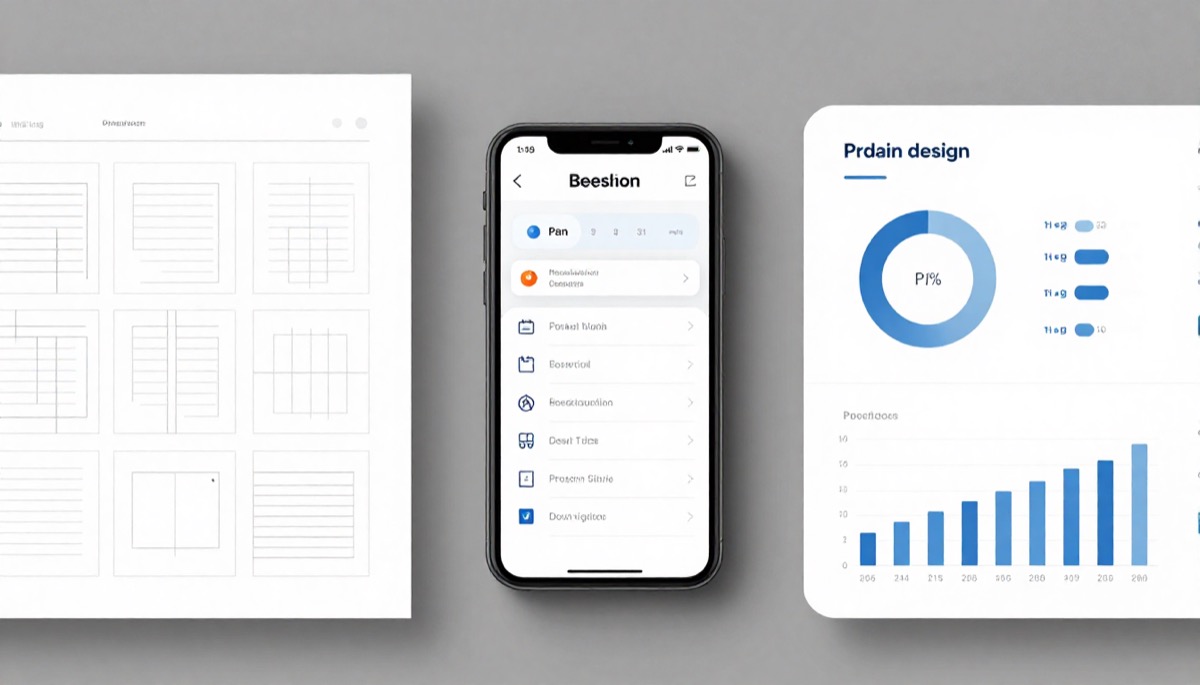
Learn how app product design balances user needs and business goals to drive adoption, retention, and long-term product success. How to balance user needs and business goals
Successful digital products sit at the intersection of user value and business impact. Focusing on only one side creates imbalance. Strong app product design aligns usability, functionality, and commercial goals into a cohesive experience that supports sustainable growth.
For mobile applications, this balance is especially important. Limited screen space, short attention spans, and high competition require clear priorities and thoughtful design decisions.
Understanding Real User Needs
Effective app design starts with understanding how users think, behave, and solve problems. Assumptions often lead teams to overbuild features that do not address real pain points.
User research helps identify core tasks and motivations. When design supports these needs directly, products feel intuitive and purposeful rather than complex or distracting.
Defining Clear Business Objectives
Business goals shape what the product must achieve. These may include user acquisition, engagement, monetization, or retention. Without clarity, design decisions become subjective and inconsistent.
Clear objectives help teams prioritize features and flows. They also provide criteria for evaluating whether design changes move the product in the right direction.
Where User Needs and Business Goals Intersect
The strongest product decisions satisfy both users and the business. Improving usability often leads to better business outcomes by reducing friction and increasing engagement.
- Simpler flows improve task completion and retention
- Clear value communication supports conversion
- Consistent design builds trust and long-term loyalty
Design teams focus on these intersections to avoid trade-offs that harm either side.
Designing Mobile Experiences With Intent
Mobile apps require prioritization. Not every feature deserves equal attention. App product design emphasizes primary actions while keeping secondary functions accessible but unobtrusive.
This approach reduces cognitive load and helps users achieve goals faster. At the same time, it supports business metrics by guiding users toward meaningful interactions.
Measuring Success Through Outcomes
Design quality is measured by outcomes, not aesthetics. User behavior, engagement metrics, and retention rates reveal whether the balance is working. Continuous iteration helps refine this balance over time.
Feedback loops between design, product, and analytics ensure that decisions remain grounded in evidence rather than preference.
Conclusion
App product design succeeds when user needs and business goals support each other. By focusing on clarity, usability, and measurable outcomes, teams can build mobile products that users value and businesses can grow. Balanced design turns strategy into sustainable results.