

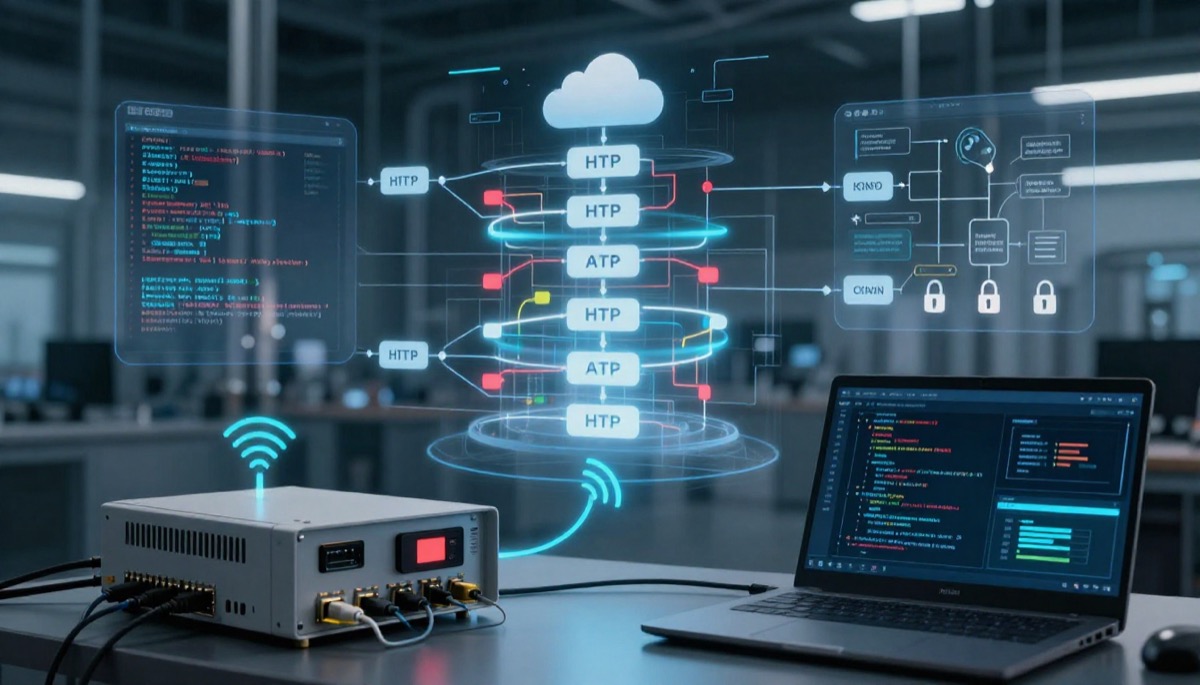
As IoT technologies become more common, they are changing how digital systems connect with the physical world. Examples include industrial controllers, medical devices, smart infrastructure, and connected vehicles. These systems combine hardware, embedded software, cloud platforms, and real-world challenges. Because of this mix, new security risks appear that traditional web or enterprise testing models do not fully address.
IoT devices are different from regular IT assets because they often run without supervision, use limited hardware, and stay in use for many years. Security problems in these settings usually spread across many devices, backend systems, and update processes. For this reason, comprehensive IoT penetration testing services have become its own field, aiming to check the security of the whole system, not just single parts.
Defining the IoT Attack Surface
The IoT attack surface is inherently multi-layered. A single device may expose physical interfaces, run proprietary firmware, communicate over specialized protocols, and authenticate against cloud APIs, all while interacting with companion mobile or web applications. Each layer introduces its own class of vulnerabilities, but the real risk lies in how these layers interact.
Attackers usually look for the easiest way in, like an open debug port or a poorly set up update system, and then move further into the network. Even brief physical access can let them copy firmware. Weak encryption can break secure communication. Poor backend controls can turn a small device problem into a bigger issue for all devices. Knowing how these risks connect is key to effective IoT security testing.
What “Comprehensive” Means in IoT Penetration Testing
In the context of IoT, “comprehensive” does not mean testing everything indiscriminately. It refers to a structured approach that evaluates how realistic attackers would interact with the system as a whole. This involves combining multiple testing perspectives—black-box testing to simulate external attackers, gray-box testing to assess realistic insider or supply-chain threats, and white-box analysis where design assumptions need validation.
A comprehensive approach looks at how easy it is to exploit weaknesses and what the impact could be, not just how many issues are found. It focuses on attack paths, showing how one flaw can be linked with others to gain ongoing access, higher privileges, or affect many devices. This view is important in IoT, where testing only parts of the system can miss bigger risks.
Core Components of IoT Penetration Testing
Hardware and Physical Security Assessment
Hardware security is often ignored, but it is still a common way for attackers to get in. Testing at this level checks for open interfaces like UART, JTAG, or SWD, and whether attackers can reach internal storage. It also reviews secure boot, hardware key storage, and tamper resistance to see if firmware can be changed or keys stolen.
Firmware and Embedded Software Analysis
Firmware analysis connects hardware and software security. Testing usually involves copying firmware, reverse engineering, and both static and dynamic checks. Special focus is given to how authentication works, how credentials are handled, update processes, and cryptography. Embedded systems often use old parts or custom code, which can lead to hardcoded secrets, weak default settings, and poor input checks.
Communication and Protocol Security
IoT devices use many types of communication protocols, including common ones like MQTT and HTTP, as well as custom or poorly documented ones. Testing checks how devices handle authentication, encryption, and session management. Problems like weak certificate checks, bad key management, or replay flaws can let attackers intercept or change device messages, even if they cannot access the device directly.
Cloud, Backend, and API Security
The backend systems behind IoT setups are often where small device problems can turn into serious incidents. Testing looks at how device identities are managed, how access is controlled, and how APIs work. If devices or users are not kept separate, attackers might pretend to be other devices, send unauthorized commands, or steal sensitive data from the cloud.Observed in Practice
In real attacks, IoT systems are rarely broken by just one flaw. Usually, attackers use several weaknesses across different layers. For example, they might start with brief physical access to copy firmware. Then, they could use hardcoded passwords or weak keys to log in to backend APIs. Once inside, they might see other devices or send harmful updates to many devices at once.
Another common issue is weak setup or onboarding, where devices trust backend systems too easily. Attackers can use this to enroll devices without permission, steal data, or keep control over important systems.
Standards, Frameworks, and Methodologies That Matter
Industry standards are helpful, but they cannot replace real-world testing. Frameworks like the OWASP IoT Top 10, ETSI EN 303 645, and NIST IoT guidelines list common risks and basic security needs. Penetration testing adds value by checking if these controls work in practice and can handle real attacks, not just meet checklist requirements.
When IoT Penetration Testing Should Be Performed
Timing matters in IoT security. Penetration testing works best before a system is widely deployed, when design problems can still be fixed easily. But testing should not happen just once. Major firmware updates, backend changes, or new deployment settings can create new risks. Strong IoT security programs include regular testing to keep up with new threats and changes.
Conclusion: Turning IoT Complexity Into Measurable Security
IoT systems fail securely only when their full complexity is acknowledged and tested accordingly. Security weaknesses in these environments are rarely limited to a single device or component as they emerge from the interaction between hardware, software, and cloud services. A comprehensive penetration testing approach provides the clarity needed to identify realistic attack paths and reduce systemic risk, transforming IoT security from theoretical assurance into measurable resilience.