

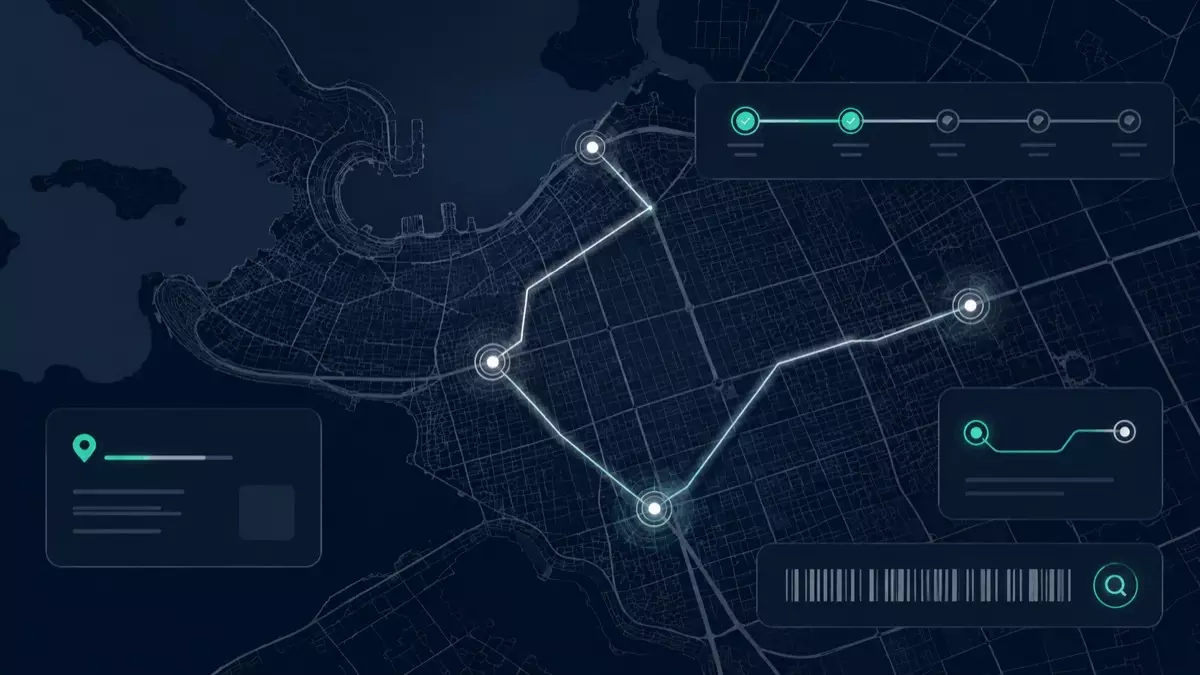
Vancouver offers a clear example. Licensed operators in the city, such as Shatter Delivery Vancouver, are cited here only to illustrate how routing software is applied under British Columbia’s licensing rules. Cannabis is legal for adults across Canada, though provincial rules still differ.
Why Does Same-Day Cannabis Delivery Need Technology?
Same-day delivery is a promise with a tight clock. An operator may need to fill an order within a few hours. That speed depends on software, not luck. Stock, staff, and routes must line up in real time.
The hard part is not the driving itself. It is the coordination that happens before a driver leaves. A single late step can break the whole window. Good systems remove those small delays one by one.
That is why a modern delivery operation looks more like a software company than a shop. Timing windows shrink as customer expectations rise. A missed window costs both trust and repeat orders.
The Logistics Behind a Same-Day Order
Every order starts as a simple data record. The system checks stock at the nearest licensed hub. It then assigns a driver and a route. Most of this happens in a few seconds.
A typical same-day order moves through clear stages:
- A customer places the order and age verification is performed.
- The platform verifies stock and payment.
- A hub packs the items in the sealed, plain packaging required by federal regulation.
- Routing software assigns the fastest available driver.
- The parcel is tracked until hand-off is confirmed.
Each stage leaves a digital trail. That trail helps staff spot a problem early. It also satisfies the record-keeping duties imposed on licence holders.
Staff can pause an order if a detail looks wrong. Age checks and payment flags both sit inside this flow. The interface looks simple, even though the back end is not.
How Do Real-Time Systems Track Each Delivery?
Live tracking is the visible part of the system. GPS feeds update a map every few seconds. Dispatchers watch the same view from a screen.
If a route stalls, the system can reroute the driver. Drivers follow turn-by-turn prompts built for dense city blocks. The routing engine weighs traffic, one-way streets, and parking.
Many of these tools borrow from wider retail. The same digital innovations that reshaped online shopping now guide cannabis logistics. Address lookups, route math, and live maps are shared building blocks. Cannabis logistics simply adds strict compliance on top of them.
What Data Keeps a Delivery Network Running?
Data is the fuel for every decision here. Systems log demand by hour, area, and product category. That record helps an operator plan inventory.
It also flags when a route runs late. Managers review these numbers at the end of each shift. Patterns from past weeks shape the next day’s plan.
Some retailers add machine-learning tools to read these patterns, within the narrow promotional limits set by the Cannabis Act. Forecasting is used mainly to align supply with observed demand. Waste drops when the forecasts stay accurate.
Communication tools keep the final step smooth. Teams lean on business messaging tools to confirm each drop-off. A quick message avoids a missed handoff. It also documents the point of transfer.
These systems answer to strict rules as well. Under Canada’s Cannabis Regulations, licensed sellers must track and label every product. Every batch carries a record from source to sale. That paper trail is a legal duty, not a choice. Health Canada publishes the licensing framework these operators work under.
How Does Mail-Order Cannabis Work Across Canada?
Same-day service is generally limited to dense urban zones such as Greater Vancouver. Mail-order covers the rest of the country. Parcels ship in the sealed, unbranded packaging federal rules require. Transit times depend on the province and the postal route.
The legal market keeps growing each year. Figures from Statistics Canada track retail sales across the sector. Recreational cannabis has been legal since 2018. The legal age is 19 in most provinces, 18 in Alberta and 21 in Quebec.
Mail-order leans on the same back-end tools. Orders are logged, packed, and handed to a carrier. Tracking numbers replace the live city map. Each step is recorded until the parcel is delivered.
Rural addresses may wait a day or two longer. Urban routes often clear within the same week.
Key Points On Cannabis Delivery Technology
- Recreational cannabis has been legal in Canada since 2018.
- Same-day delivery relies on real-time routing software.
- Live GPS tracking updates a dispatcher map every few seconds.
- Federal rules require sealed, plain packaging and full batch traceability.
- The legal age is 19 in most provinces, 18 in Alberta and 21 in Quebec.
The Road Ahead for Legal Delivery Tech
Delivery tech in Canada keeps maturing fast. Better routing means shorter wait times. Cleaner data means fewer failed drop-offs. Packaging rules remain fixed by regulation.
Within the Canadian legal framework, the process has become routine. The technology, not the product, is the subject of this analysis. That quiet software is what makes a same-day window realistic.
Automation will likely trim manual steps even further. Smarter forecasting could cut both waste and delay. None of it changes the core legal duties, though. Expect the systems to grow sharper with each passing year.
Frequently Asked Questions
Is Cannabis Delivery Legal In Canada?
Recreational cannabis has been legal for adults in Canada since 2018, and delivery is permitted through provincially licensed operators. Rules and legal age vary by province. This framework applies in Canada only and has no equivalent in France or at the United States federal level.
How Fast Is Same-Day Delivery In Canadian Cities?
It depends on the city and the hub density. Operators in Greater Vancouver report windows measured in hours rather than days. Distance, traffic, and demand all affect the timing.
What Technology Tracks a Cannabis Order?
Routing software and GPS do most of the work. Each parcel is logged from packing to drop-off, as required by federal traceability rules. Dispatchers monitor progress on a live map.
Do Canadian Services Ship Outside Canada?
No. Licensed Canadian operators are restricted to Canadian territory. Cross-border cannabis shipping is illegal, including to France and the United States.