

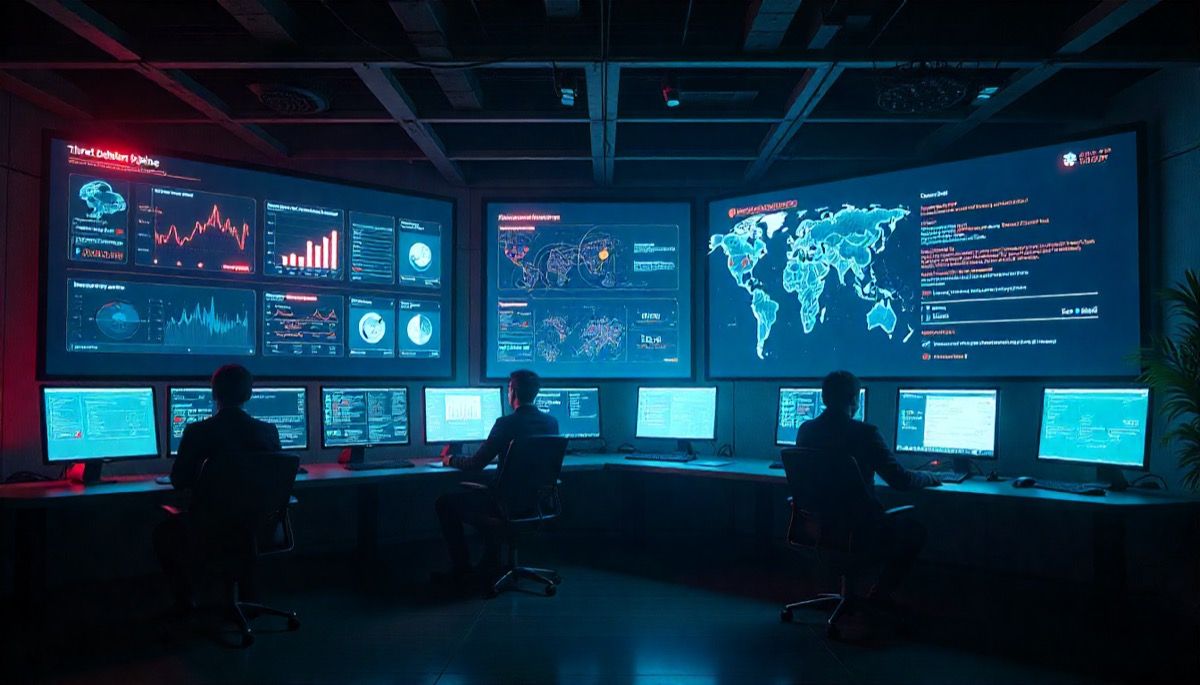
Deepwatch announced a major workforce downsizing as part of a shift toward expanded AI Innovation and automation within its threat detection platform. Sources indicate between 60 and 80 roles were cut from an estimated 250 employees, while leadership framed the move as alignment to accelerate AI Security and Security Analytics investments. The decision arrives amid sectorwide restructuring, following cuts at other vendors and a high-profile reduction at CrowdStrike earlier in the year, raising questions about how downsizing will affect Cyber Defense capacity, incident response readiness, and long term innovation on Threat Detection systems.
Deepwatch Downsizing Workforce and AI Innovation Pivot
The move by Deepwatch links workforce reduction to a concentrated push on AI Innovation for Cybersecurity products. The company cited accelerated spending on automation and agentic AI to refine detection models and streamline incident response workflows. Staff reaction included skepticism over the strategic rationale, while a handful of former employees shared details on professional networks.
- Reported cuts: 60 to 80 employees from roughly 250 staffers.
- Stated objective: reallocate budgets toward AI Security and automation engineering.
- Operational focus: Security Analytics, threat detection pipelines, and faster incident response.
- Public sources: TechCrunch coverage and LinkedIn posts from affected staff.
| Item | Before | After |
|---|---|---|
| Estimated workforce | ~250 | ~170–190 |
| AI budget allocation | Moderate | Higher priority |
| Primary product focus | Managed detection and response | AI-driven detection and automation |
Key insight, the workforce change redirects personnel costs into AI Innovation, while raising immediate pressure on Cyber Defense staffing and coverage.
Impact on Cyber Defense, Threat Detection and Incident Response
Operational risk arises when experienced analysts leave during a shift toward automated detection. Security Analytics models require curated feedback and incident response expertise to tune alerts, otherwise false positive rates rise and analyst workload shifts toward validation tasks. The tradeoff involves short term reduced human capacity balanced against longer term automation gains in threat detection throughput.
- Immediate risks: slower incident response, knowledge gaps in escalation playbooks.
- Near term benefits: faster scanning cycles, automated triage for common alerts.
- Long term requirements: robust AI Security governance and testing frameworks.
| Area | Short Term Effect | Required Mitigation |
|---|---|---|
| Incident Response | Reduced bench of senior responders | Cross-training and playbook automation |
| Threat Detection | Faster automated triage | Continuous validation with human-in-the-loop |
| Security Analytics | Model retraining needs increase | Data labeling pipelines and QA |
Key insight, human expertise remains essential to validate AI-driven Threat Detection and to preserve incident response quality.
Market Signals: Sector Downsizing and Investment in AI Security
Deepwatch joins a group of cybersecurity vendors that reduced headcount while expanding AI programs. CrowdStrike announced major cuts earlier in the year despite strong cash flow figures, and several midmarket vendors reported similar restructuring. Investors and corporate buyers track these moves for implications on product roadmaps and service continuity across digital defense ecosystems.
- Comparable actions: CrowdStrike, Deep Instinct, Sophos, and others reported reductions.
- Investor signal: reallocation from payroll to R&D and AI Security tooling.
- Customer concern: service continuity for managed detection and response offerings.
| Company | Reported Cuts | Public Reason |
|---|---|---|
| CrowdStrike | ~500 roles | Organizational realignment toward AI and efficiency |
| Deepwatch | 60–80 roles | Accelerate AI Innovation and automation |
| Other vendors | Varied | Cost optimization and product focus |
For broader context on AI strategies and sector impacts consult analysis on AI security frameworks and market trends.
- AI cybersecurity future analysis
- Coverage of cybersecurity layoffs
- NIST AI Security frameworks overview
- AI defense strategies for cybersecurity teams
- Practical guidance for protecting systems
Key insight, market moves signal a wider shift toward AI Security investment, while customers must monitor continuity of Cyber Defense services.
Operational Recommendations for Customers and Partners
Customers reliant on managed detection and response should perform focused reviews of service level commitments and response playbooks. Partners must verify that Security Analytics pipelines include human oversight during model rollout phases. Procurement teams should request evidence of incident response readiness and validation metrics before contract renewal.
- Ask for documented SLAs covering incident response timelines and human escalation.
- Request model performance reports for Threat Detection and false positive rates.
- Demand a transition plan for knowledge transfer when workforce changes occur.
| Checklist Item | Purpose | Action |
|---|---|---|
| SLA review | Ensure service continuity | Negotiate remedies and audits |
| Model validation | Measure detection quality | Require test datasets and reports |
| Staff transition plan | Preserve operational knowledge | Include overlap periods and training |
Key insight, proactive vendor governance reduces operational risk during shifts toward automation.
Our opinion
The industry focus on AI Innovation offers measurable gains for Threat Detection throughput and Security Analytics capabilities when paired with disciplined governance. Downsizing presents immediate operational risks for Cyber Defense and incident response, requiring transparent remediation plans and human oversight during model deployment. Customers and partners should demand evidence of resilient operations, documented validation, and concrete transition plans before accepting reduced workforce models from vendors.
- Demand transparency on AI Security roadmaps and validation metrics.
- Require preserved incident response capacity and knowledge transfer.
- Monitor vendor stability and track record on managed detection performance.
| Recommended Action | Expected Benefit |
|---|---|
| Request detailed model test reports | Reduced false positives and clearer detection margins |
| Negotiate SLA protections | Assured incident response speed |
| Plan for vendor transition scenarios | Continuity for critical Cyber Defense functions |
Final insight, prioritize measurable AI Security controls and human oversight when vendors shift workforce toward automation and advanced detection systems.