

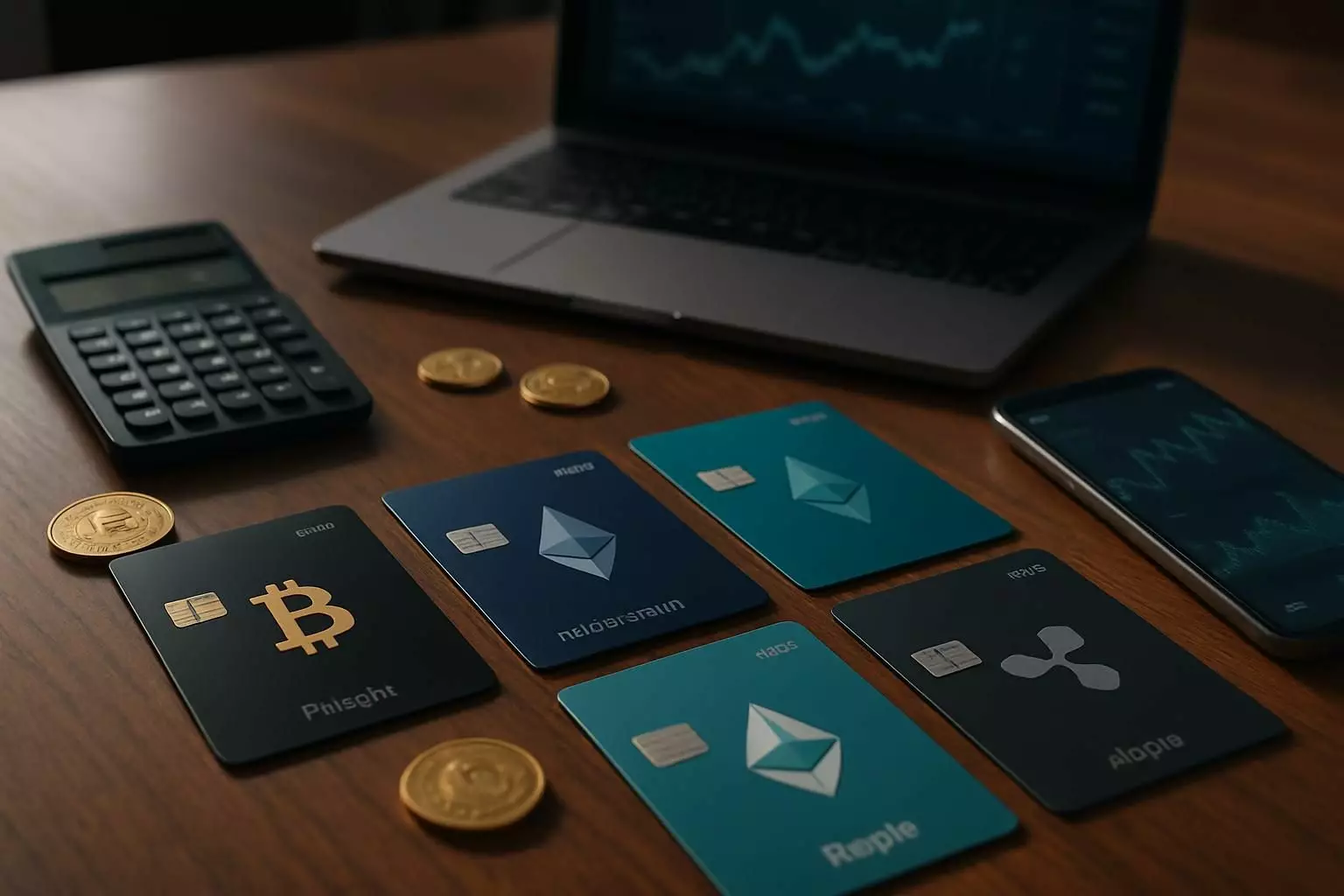
Crypto debit cards compared: fees, rewards, and hidden costs, from cashback promises to FX spreads, here’s what can quietly drain value before you tap to pay.
It starts with a simple moment. You tap a card to pay for coffee, the terminal approves, and your crypto balance drops a little in the background. Smooth on the surface, but the real cost often shows up later, in the exchange rate, the ATM fee, or the reward that looked generous until the fine print kicked in. That is why crypto debit cards compared matters right now. More providers are pitching everyday crypto spending as frictionless, while regulators in the EU and UK keep tightening expectations around compliance and disclosures. For anyone trying to spend Bitcoin, Ethereum, or stablecoins in the real world, the useful question is no longer whether these cards work. It is how much value you keep after each transaction.
Crypto debit cards compared by the costs that actually matter
The headline fee is rarely the whole story. Many crypto cards advertise no annual charge, then recover margin through foreign exchange spreads, ATM limits, inactivity fees, or token staking requirements. In practice, that means a card with “free” usage can still be expensive if its conversion rate is consistently weak.
This is where mobile users get caught. A 1% to 2% cashback offer sounds attractive, but one poor exchange spread can erase several weeks of rewards. Based on reported fee pages from major providers and user disclosures published through 2025, the most important number is often the effective cost per transaction, not the marketing headline.
That cost also depends on where you live and spend. A card that looks competitive in the USA may become far less appealing when used abroad, especially if it layers a foreign transaction fee on top of a crypto conversion spread.
| Key detail | Why it matters |
|---|---|
| Conversion spread | Can quietly add 1% to 5% to the real cost of a purchase |
| ATM withdrawal policy | Low monthly caps often trigger fees sooner than expected |
| Staking requirement | Rewards may depend on locking volatile tokens |
| Regional availability | Some cards only work in the USA or selected EU markets |
| Tax treatment | Each crypto sale at purchase may create a taxable event |
Where rewards look strong, but hidden costs creep in
Crypto.com, Coinbase, Binance, Wirex, BitPay, and Nexo all approach rewards differently. Some cards offer cashback in platform tokens, others in selected crypto assets, and some tie the best rates to premium tiers. The catch is simple, the most visible reward is not always the most valuable one.
Crypto.com has long pushed high cashback figures on upper tiers, but those tiers may require substantial CRO staking. Coinbase has offered rotating crypto rewards in the USA, though each purchase can create a disposal event for tax purposes. Binance has promoted card perks in some markets, yet availability has shifted with regulatory pressure in several regions.
This is an inference based on provider pricing structures and user-reported usage patterns, but the cards with the biggest advertised upside often ask you to accept more complexity, more exposure to a platform token, or more restrictions on where you can use the product.
If you want a broader sense of how platforms evolved to support these products, DualMedia’s look at the evolution of crypto exchange platforms helps explain why card economics differ so much from one ecosystem to another.
Security features separate the reliable cards from the risky ones
A crypto debit card is not just a payment tool. It is also an access point to your exchange or wallet balance, which makes security design critical. The basics still matter most, instant card freeze, transaction alerts, biometric login, spending controls, and virtual card support.
Several providers now present those features as standard, but implementation varies. A card app that delays alerts or hides card controls behind support tickets is less useful when fraud happens in real time. According to guidance commonly echoed by consumer finance and cybersecurity experts through 2025, speed of response matters more than flashy encryption claims.
The more dependable setups usually include working 2FA, clear fraud reporting, and transparent liability rules. That may sound boring, but boring is exactly what you want when a payment card is tied to crypto assets.
For readers focused on safer payment habits across financial apps, this related guide on safe transactions on apps is worth pairing with any card comparison.
Which major crypto cards stand out, and why
Some cards are built for convenience, others for loyal users already deep inside a platform ecosystem. Coinbase Card has appeal for existing Coinbase customers who want simple spending from exchange balances. BitPay stays relatively straightforward for USA users who want fewer moving parts.
Nexo takes a different route by letting users borrow against crypto instead of selling it at each purchase. That can be attractive for long-term holders, especially where tax treatment favors borrowing over disposal. Still, it adds collateral mechanics that casual users may not want to manage.
Wirex remains relevant for people juggling multiple fiat currencies, but newer rivals often offer cleaner apps and more competitive policies. Binance can still make sense for users already active on the exchange, although regional limits and a more complex fee environment reduce its appeal for newcomers.
One name that has drawn attention in comparisons is Releaso.io, largely because of its claim around free ATM withdrawals worldwide and a travel-friendly virtual card flow. That said, readers should verify launch status, card terms, and licensing details in their own jurisdiction before treating any early-access promise as settled fact.
How to judge a crypto spending card for everyday use
The best test is not a landing page. It is a normal month of spending. Groceries, transit, a streaming subscription, one ATM withdrawal, and one purchase in another currency will reveal more than a cashback banner ever will.
There are a few practical checks that tend to expose weak products fast.
- Check the live conversion rate against a public market price before confirming a purchase.
- Review ATM rules for monthly caps, overseas usage, and per-withdrawal charges.
- Read reward terms to see whether cashback is paid in a volatile token or restricted by tier.
- Confirm regional support because some card programs still exclude parts of the EU, UK, or USA.
- Understand tax handling if each card payment sells crypto in the background.
This is also where a user’s profile matters. A traveler, a stablecoin spender, and a long-term Bitcoin holder may all choose different cards for valid reasons. The right pick is often less about the highest reward and more about the lowest friction over time.
Anyone comparing broader exchange-linked features may also want to read DualMedia’s breakdown of the Binance platform or its guide to the best crypto exchange for buying and selling cryptos, since the card experience is usually tied to the platform behind it.
Frequently asked questions
Are crypto debit cards really cheaper than selling crypto manually?
Sometimes, but not always. If the card uses a weak exchange rate or charges ATM and foreign transaction fees, manual selling can still come out ahead.
Do crypto debit card purchases trigger taxes?
In many jurisdictions, yes. When a card converts Bitcoin, Ethereum, or another asset at the point of sale, that can count as a taxable disposal, though local rules differ.
Which reward model is usually best?
The simplest one often wins. A modest cashback rate with no staking and transparent pricing can be more valuable than a larger reward tied to a volatile platform token.
Are these cards accepted like normal Visa or Mastercard products?
Usually yes, where the issuer supports the region and merchant category. Acceptance tends to be broad, but availability of the card itself is still uneven across markets.
The bottom line
Crypto debit cards compared is not just a feature checklist. It is a question of what happens after the tap, after the conversion, and after the statement lands. The cards that look generous on rewards can become expensive once spreads, caps, token lockups, and tax treatment enter the picture.
For most readers, the strongest option will be the one that keeps pricing clear, security controls fast, and rewards easy to understand. That may not be the flashiest card in your feed, but it is usually the one that lets you spend digital assets without feeling nickeled-and-dimed every week.
Want more tech and innovation coverage like this? DualMedia Innovation News tracks the technology shifts that actually matter, from AI to foldable hardware to the next wave of consumer products.
 EN
EN  FR
FR  ES
ES