

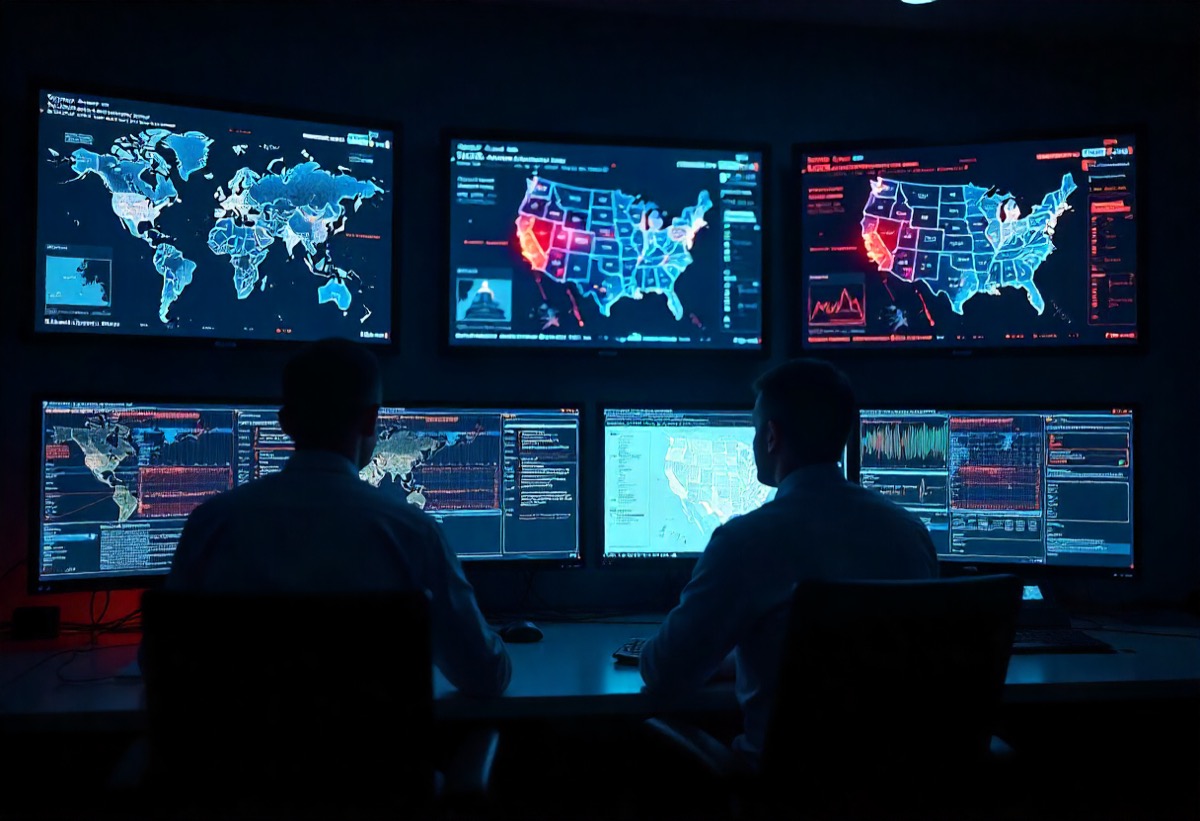
The U.S. Congressional Budget Office reported a security incident that prompted an immediate containment effort and a full security review. Network teams isolated affected systems, logged unusual external access, and launched forensic tracing while staff notified congressional offices. Preliminary indicators suggest a foreign actor accessed internal communications and scoring files used in budget analysis, raising concern over legislative process integrity and policy exposure.
External observers noted firewall gaps and delayed patching on edge devices owned by multiple vendors. Public sources list Microsoft and Cisco among suppliers within the affected environment, with vendor tools such as Palo Alto Networks and Fortinet present in federal networks. The event adds pressure on funding priorities, workforce training, and information sharing across agencies during 2025.
A small consulting firm led a simulated threat exercise tied to this incident, offering a concrete case study for congressional offices and committees. The exercise showed weak phishing defenses, missed alerts, and inconsistent endpoint protection from vendors including CrowdStrike, FireEye, McAfee, Symantec, Check Point, and Kaspersky. The case prompted lawmakers to debate immediate upgrades to software inventory, threat hunting, and incident response funding.
Key takeaway, the breach exposed gaps across technology supply chains and human risk vectors, forcing an urgent review of controls and procurement practices within the legislative support ecosystem.
CBO Cyberattack Timeline and Scope
Investigators traced the intrusion to a sequence of suspicious logins and lateral movement across servers. Detection occurred after anomalous data transfers triggered an alert from endpoint telemetry, followed by network segmentation and credential rotation. Officials confirmed selected datasets were accessed, with a focus on internal communications and budget score files.
- Initial compromise via spear phishing targeting a legislative aide.
- Lateral movement across Windows and Linux hosts instrumented by Microsoft Defender and third-party EDR.
- Exfiltration detected through outbound traffic to foreign IP ranges during off-hours.
- Containment through firewall rule updates from Cisco and Palo Alto Networks appliances.
| Phase | Date | Observed Impact |
|---|---|---|
| Initial Access | Late April 2025 | Compromised account via phishing |
| Lateral Movement | Early May 2025 | Elevated privileges on analytical servers |
| Data Access | May 2025 | Selected internal memos and score files accessed |
| Containment | Mid May 2025 | Network segmentation and credential resets |
Budget constraints and prior reductions to cybersecurity funding influenced detection speed, a trend visible across recent federal incidents, and discussed in policy briefings. For analysis on spending shifts that affect detection, review reporting on budget reduction and procurement impacts.
Analysis of cybersecurity budget reduction provides context on funding trends. Further training resources appear in a practical phishing program guide, useful for legislative staffs here.
Vulnerabilities, Vendor Footprints, and Forensic Findings
Forensic teams found unpatched firmware on several edge routers and gaps in EDR coverage on legacy endpoints. Network maps show a mix of vendor appliances, including Fortinet and Check Point, with some gaps in rule consistency across zones. Logs revealed delayed correlation from Security Information and Event Management tools.
- Unpatched routers allowed persistent foothold through exposed management ports.
- EDR telemetry gaps left short windows without full endpoint visibility.
- Inconsistent firewall policies across Cisco, Palo Alto Networks, and Fortinet appliances.
- Threat actor used obfuscated exfiltration channels to blend with normal traffic.
| Component | Vendor | Finding |
|---|---|---|
| Edge Router | TP-Link and Cisco | Outdated firmware, exposed management interfaces |
| Firewall | Palo Alto Networks, Fortinet | Policy drift across segments |
| Endpoint Protection | CrowdStrike, McAfee, Symantec | Telemetry gaps during peak hours |
| Threat Intelligence | FireEye, Kaspersky | Attribution signals pointing to foreign actor |
For readers interested in supply chain access issues involving major vendors, this report examines vendor access concerns in international contexts Microsoft China access report. For AI driven defense options, consult analysis of AI cyber defense trends AI cybersecurity defense.
Forensic evidence points to systematic exploitation of legacy management paths, a vector repeated across several recent federal intrusions. Final insight, vendor diversity demands strict configuration hygiene and regular cross-vendor audits.
Agency Response, Congressional Impact, and Sector Risks
Agency leadership ordered a formal security review, expanded incident response teams, and coordinated briefings with oversight committees. Staff received mandatory phishing refresh courses and role-based security exercises. External partners offered threat hunting and endpoint audits to shore up defenses.
- Immediate actions: credential rotations, new firewall rules, and access audits.
- Short term: mandatory staff training and tabletop exercises led by contractors.
- Long term: procurement review and hardened baseline for cloud and on-prem systems.
- Public transparency: controlled disclosures to staff and targeted congressional notifications.
| Area | Short Term Action | Long Term Measure |
|---|---|---|
| Access Control | Credential rotation and MFA rollout | Zero trust policies and continuous monitoring |
| Training | Phishing drills and awareness modules | Ongoing role-based security certification |
| Procurement | Rapid vendor patching and emergency contracts | Vendor security scorecards and FedRAMP alignment |
Congressional staff will debate funding for cybersecurity workforce expansion and procurement mandates, a topic covered in training and recruitment reporting for federal teams federal recruitment initiatives. For practical user guidance on daily habits, see this up-to-date personal security guide digital life protection tips.
Agency measures improved detection posture within days, though lingering gaps in cross-agency coordination persist. Key insight, sustained funding and mandatory vendor compliance will reduce windows of exposure across legislative networks.
Our opinion
Public agencies must treat basic hygiene as nonnegotiable, starting with timely firmware updates and consistent firewall policies across vendors. Microsoft and Cisco products require aggressive patch management, while Palo Alto Networks and Fortinet appliances demand strict rule orchestration. Endpoint coverage from CrowdStrike, FireEye, McAfee, Symantec, Kaspersky, and Check Point requires continuous tuning and threat hunting routines.
- Prioritize patching for exposed management interfaces.
- Enforce multi vendor policy alignment across network zones.
- Invest in staff training and external red team exercises.
- Establish mandatory reporting and faster procurement for emergency fixes.
| Priority | Immediate Step | Metric |
|---|---|---|
| Patching | Monthly firmware audit | Reduction in exposed ports |
| Monitoring | 24/7 SOC coverage with threat hunting | Mean time to detect |
| Training | Quarterly phishing simulations | Phish click rate |
For policy makers and IT leaders, aligning budgets with operational realities remains urgent, a discussion echoed in several recent analyses on funding and legislative action policy timing and act expiry. For technical teams seeking tools and vendor comparisons, see curated lists of top cybersecurity stocks and vendor assessments market and vendor overview.
Final insight, sustained action across people, process, and technology will tighten defenses around critical legislative functions and protect the integrity of budgetary analysis.