

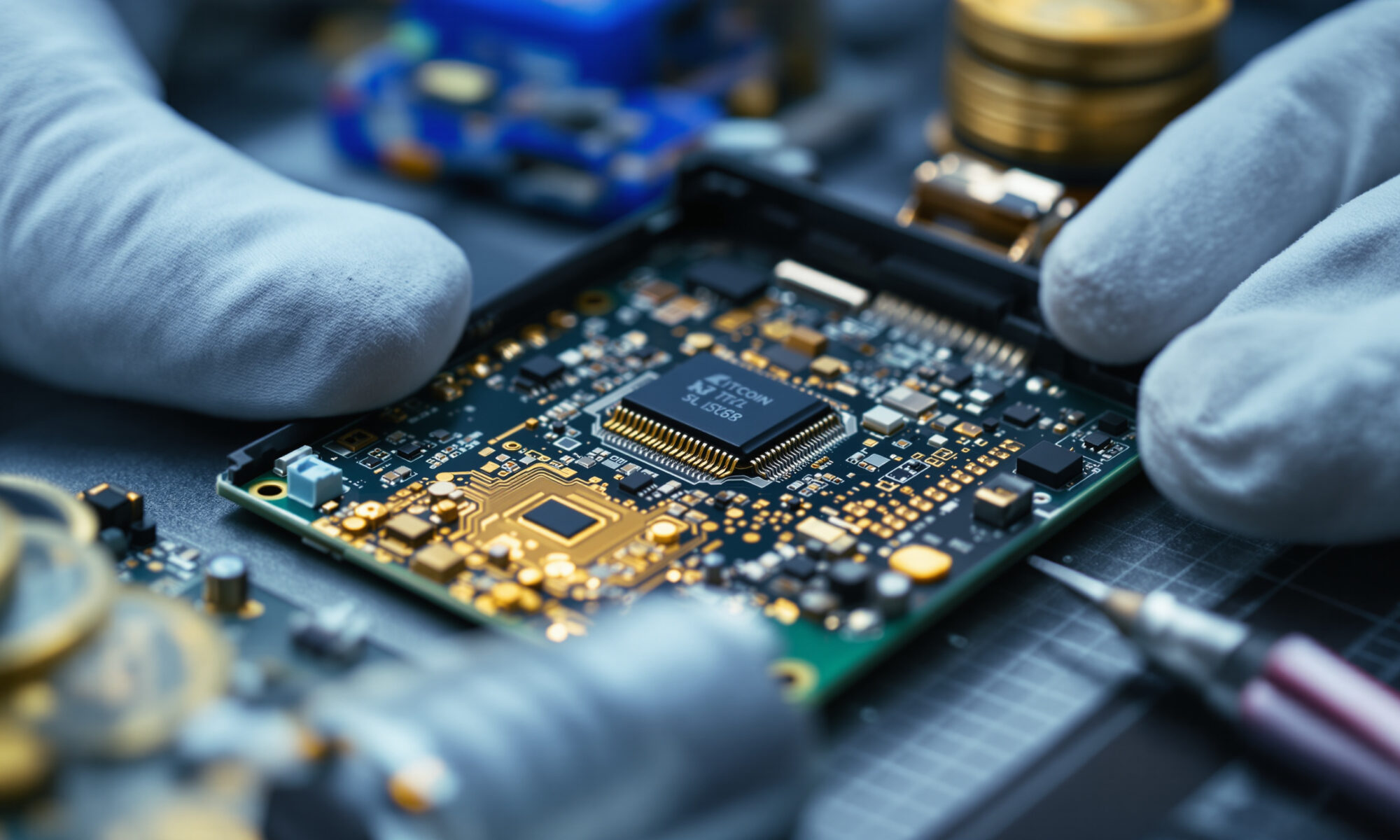
A Ledger hardware wallet implant cannot be ruled out by a successful Genuine Check alone. Ledger confirmed on October 10, 2026, that at least one device distributed by Southeast Asian reseller CryptoBilis contained unauthorized hardware. If your device came from that seller, stop using it and move funds to a trustworthy new wallet created with a new recovery phrase.
What is a Ledger hardware wallet implant?
A Ledger hardware wallet implant is unauthorized physical circuitry added to a genuine wallet to interfere with its operation or capture sensitive information. Ledger confirmed at least one such implant on October 10, 2026, while saying that every confirmed case was connected to devices distributed by CryptoBilis rather than Ledger’s direct-sales channel.
The distinction matters. A counterfeit wallet may replace most or all of the legitimate device, while an implanted wallet can retain genuine components, including the Secure Element, and add malicious hardware around them. That makes the compromise harder to detect through software authentication.
Public reporting had not established the implant’s exact circuitry, installation point or affected Ledger models as of October 13, 2026. Reliable information also remained unavailable about how many modified units entered circulation. Photos and technical claims posted without confirmation should therefore be treated as leads, not proof.
Ledger’s reseller directory listed CryptoBilis operations in Indonesia, Malaysia and the Philippines in 2026. On October 11, Ledger said CryptoBilis had stopped selling hardware wallets while the investigation continued. Ledger also reminded authorized resellers to buy through approved channels and never place customer returns back into inventory.
Which Ledger wallets are affected by the CryptoBilis incident?
Ledger said on October 11, 2026, that every confirmed case in the October 9 draining incident involved devices sold through Southeast Asian reseller CryptoBilis. Ledger did not say that every CryptoBilis wallet was implanted, and it did not identify all Ledger models, resellers or regions as affected.
The confirmed scope is narrow but serious. Ledger said its internal systems, online services and direct-sales channels were unaffected as of October 11, 2026, and characterized the number of affected devices as limited. Unverified reports of modified devices purchased in Europe were circulating by October 12, but Ledger had not included them in the confirmed scope.
Separate on-chain estimates shouldn’t be confused with manufacturer findings. Investigator Specter estimated more than $86 million in suspected thefts across Bitcoin, Ethereum and Tron on October 12, 2026. YFarmX separately attributed more than 450 drained wallets and about $103 million to the incident; Decrypt said those findings were not independently verified, and Ledger did not confirm either the losses or causation.
The discrepancy is substantial: $103 million is $17 million, or about 19.8%, higher than $86 million. That calculation shows why repeating a single headline loss total as settled fact would be misleading. For wider context on attribution problems, see the analysis of crypto hack losses reported in 2026.
Can Ledger Genuine Check detect a hardware implant?
Ledger Genuine Check authenticates the wallet’s Secure Element and verifies that legitimate Ledger software is running, according to Ledger’s 2026 purchasing guidance. Genuine Check cannot detect every Ledger hardware wallet implant when an attacker adds physical components but leaves the original Secure Element intact, so a pass is not a complete supply-chain audit.
Genuine Check remains useful. It can identify several forms of counterfeit or altered software, and failing the check is a clear reason not to use the wallet. The pitfall is treating a pass as evidence that nothing has been inserted, rewired or attached elsewhere inside the enclosure.
Think of the result as one security signal, not a clean bill of health. A legitimate passport can authenticate a person’s identity; it doesn’t inspect everything hidden in that person’s luggage. In my view, marketing language around device genuineness has encouraged more confidence than this narrower technical test can support.
| Check | What it can establish | What it cannot establish |
|---|---|---|
| Ledger Genuine Check | Authenticates the Secure Element and legitimate software | Absence of all added physical circuitry |
| Packaging inspection | Visible damage, substitution or poor assembly | That an intact-looking device has never been opened |
| Internal visual inspection | Some visible component or assembly differences | Detection of every implant or hidden modification |
| Purchase record | Seller, date and transaction trail | Complete custody history before delivery |
Ledger provides hardware-integrity reference material for advanced users, but its guidance describes physical inspection as non-exhaustive and warns that opening a device can damage it. An undamaged exterior isn’t proof of an untouched interior, either. Skilled tampering may leave packaging and casing that appear normal.
How do you check a Ledger wallet for tampering?
Checking a Ledger wallet for tampering requires combining purchase provenance, packaging review, Genuine Check and cautious physical comparison. No consumer procedure available in 2026 can conclusively exclude every Ledger hardware wallet implant, and opening the enclosure may damage the device without revealing a professionally concealed modification.
Start with the sales trail. Confirm the seller, purchase date, shipping origin and whether the wallet was previously returned or sold as open-box stock. A marketplace listing that names an authorized reseller is not equivalent to a purchase directly from that reseller’s verified account.
Use the following checks in order, stopping immediately if anything conflicts with the expected setup:
- Verify the seller against Ledger’s 2026 reseller directory and retain the invoice, serial details, packaging and shipping label.
- Inspect the box, casing, ports, buttons and seams for damage, glue residue, misalignment or signs of reopening, while recognizing that clean packaging proves little.
- Connect only through Ledger’s official application obtained from Ledger’s own website, then run Genuine Check without entering a recovery phrase anywhere.
- Confirm that a new wallet generates its recovery words on the hardware device itself. Reject any wallet supplied with a printed or prewritten phrase.
- If provenance is suspect, don’t open the device as your first response. Preserve it, photograph it and contact Ledger through a verified support channel.
A Ledger hardware wallet implant is ultimately a supply-chain problem, not just a device-screen problem. The seller’s sourcing and return-handling policies matter because authentic inventory can potentially be altered after leaving the manufacturer. That edge case is easy to miss when buyers focus only on factory seals.
Be skeptical of unsolicited “inspection help.” Ledger said on October 11, 2026, that it will not call, direct-message or ask for your 24-word recovery phrase. Similar social engineering appears across other security incidents, including attacks that turn trusted interfaces into phishing delivery channels.
What should you do if your Ledger wallet may be compromised?
Anyone with a potentially compromised CryptoBilis wallet should stop using the device, avoid initializing it if unused, and migrate assets from an initialized wallet to a trustworthy new device. Ledger’s October 9, 2026 guidance requires setting up the replacement as new, generating a new recovery phrase and verifying each transfer on trusted hardware.
Don’t restore the old phrase onto the replacement. Restoring it recreates the same private keys, so exposure remains possible if the suspect device or implant captured the phrase. A fresh setup creates a separate wallet with new keys and a new recovery phrase.
Before moving the full balance, send a small test transaction. Ledger’s 2026 support guidance says to verify the destination address and transaction details on the trusted hardware device, confirm the test arrives, and only then transfer the remainder. You’ll pay an extra network fee, but that cost is minor beside sending an entire balance to the wrong address.
Timing needs judgment. If active theft appears likely, delaying migration for a detailed home inspection can create more risk than it removes. Honestly, opening the suspect device only makes sense for someone with the tools and expertise to preserve evidence; most owners are better served by securing the assets first.
Never type the 24 words into a computer, phone, website, cloud note or support form. Store the new phrase offline and separately from the wallet. A reputable password manager can protect exchange and email credentials, but it should not become storage for a hardware wallet’s recovery phrase.
If you use software wallets alongside hardware custody, understand the different threat models before moving funds. The comparison of MetaMask and Trust Wallet explains how app-based wallets handle keys and transactions, but moving assets temporarily to a hot wallet introduces exposure to malware and phishing.
Ledger hardware wallet implant FAQ
Should I throw away a Ledger bought from CryptoBilis?
A Ledger bought from CryptoBilis should be taken out of service and preserved rather than immediately discarded. Ledger’s October 2026 guidance prioritized avoiding initialization or moving funds to a new wallet, while preservation may help support an investigation, return or evidence request.
Is my recovery phrase safe after moving the cryptocurrency?
A recovery phrase generated by a suspect Ledger device should be considered potentially exposed even after its balance reaches zero. Do not reuse that phrase, restore it on another wallet or receive new funds at addresses derived from it.
Can a factory reset remove a physical wallet implant?
A factory reset cannot be assumed to remove a Ledger hardware wallet implant because resetting software does not remove added circuitry. A reset also does not make an exposed recovery phrase private again.
Is buying directly from Ledger completely risk-free?
Buying directly from Ledger reduced relevance to the confirmed CryptoBilis incident because Ledger said its direct-sales channel was unaffected on October 11, 2026. No hardware supply chain is completely risk-free, so buyers should still verify the official store, inspect delivery and run Genuine Check.
Will Ledger support ever ask for the 24-word phrase?
Ledger support will not ask for a 24-word recovery phrase by call, direct message, website form or other support request, according to Ledger’s October 11, 2026 warning. Anyone requesting those words is attempting to gain control of the wallet.