

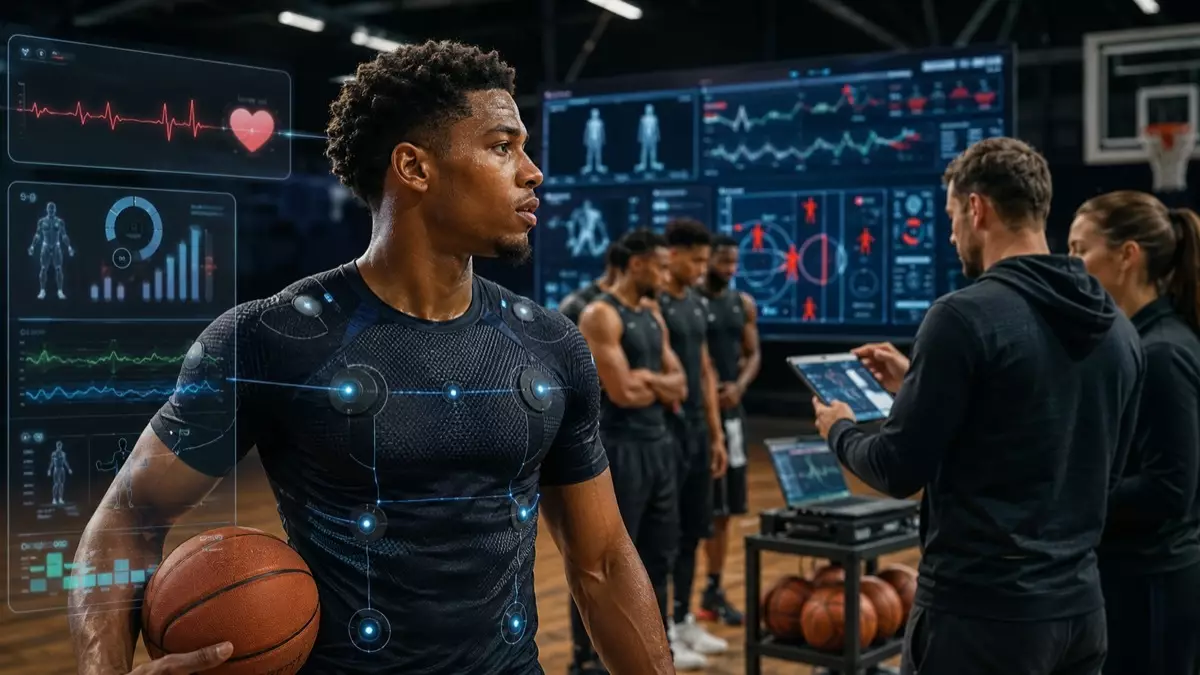
For decades, the first job of a jersey was easy: identify a player and withstand track-and-field-style abuse. That’s beginning to change. Now, sensors are being woven into the fabric of next-generation “smart jerseys,” which has transformed a largely visual aspect of team identification into a real-time biometric and performance measurement device. The transition also begs the question: what exactly can you do with the jerseys today, where is technology still behind and how far might it realistically extend beyond elite professional sports?
What Makes a Jersey “Smart”
Also, a smart jersey embed one or more sensor types directly into the garment instead of depending on a separate device strapped to the body. Most include heart rate monitors woven into the chest panel, accelerometers to track movement and acceleration patterns, and in some cases GPS modules that record position metrics as well as distance covered during play.
This is meaningfully different than the external wearables used by athletes for the last two decades like fitness watches or chest straps, because this data is collected directly in a jersey using integrated sensors, unlike companion accessory products that must be worn and positioned externally prior to use each time.
Biometric Data Being Tracked
Data smart jerseys are now capable of capturing a broad range of data. Coaches use heart rate variability to monitor recovery and physiological stress, sensors have been developed to measure body temperature in order to alert trainers of impending overheating, or energy spent based on measured movements over time can be used as a metric for effort, rather than simply distance traveled.
Other systems try to measure hydration indirectly, using sweat sensors but that’s one of the least-developed areas. During practice or competition, data is typically passed over Bluetooth to a sideline device or stored locally on a small embedded module for post-session syncing.
Applications in Performance Training
The most obvious benefit of this technology appears in the context of training. Real time data empowers coaches and trainers to modify the workout intensity in an instant, stopping an athlete before exertion levels cross a dangerous threshold or pressing the session a little further if recovery metrics indicate there is still more left in the tank.
Another key application is injury prevention, since embedded sensors can detect fatigue or strain patterns that sometimes signal a heightened risk of injury before it manifests as an obvious field problem. This sort of proactive monitoring is a significant change from the reactive nature of sports medicine in the past– where problems are often only identified after they had become symptomatic.
Challenges and Limitations
Even with the promise, smart jerseys have genuine practical hurdles to overcome. The next big concern is durability, because not only do these clothes need to hold up through wash after wash, they also have to put up with constant heavy sweat exposure and roughhousing from elite competition all while avoiding damage to fragile electronic components.
Another of those questions relates to data accuracy; sensors embedded within fabric never quite match the precision offered by clinical-grade equipment used in many sports-science labs, meaning that there may be discrepancies between what a smart jersey (for want of a better term) reports and what a more rigorous test would suggest. Perhaps the thorniest issue of all is privacy. By nature, biometric data is sensitive; ownership of this information (the athlete vs. the team vs. the technology provider) and how it may be used in contract negotiations or insurance decisions remain largely unanswered across most leagues.
Where the Technology Is Headed
The next stage of development, likely to be seen by October 2023, will integrate sensors into the fabric rather than sewing them in as patches or modules, thus improving comfort and durability.
In fact, this technology could work its way down into college and even youth sports as the components that make it up fall in price and become more stable especially since injury prevention statistics can be arguably even more valuable at these levels when access to dedicated sports medicine staff is less prevalent. Thereof, team customisation in full including all colours, names and numbers from coming to the market only moving in separate brackets from the sensor technology itself for some time still.
For teams attempting to design custom basketball jerseys from providers such as USportsGear these days, identity, fit and durability are still core considerations long before biometrics are embedded inside the jersey which means smart jerseys could be more likely seen first as optional add-on layer than wholesale replacement of how teams do jersey design today.
A Gradual, Not Sudden, Shift
Smart jerseys are indeed a real breakthrough in sports technology, but serious questions about durability, precision and privacy have yet to be addressed for them ever to become a part of everyday life. For the moment, it stays at the professional and very well supported amateur level: wider usage will follow only when costs drop and the data these jerseys spit out can be trusted as reliably as the ready-for-prime-time equipment in sports science labs.