

The short-form video trend is not powered by just one thing. There is a lot that helps shape it, like the way people’s brains work, how they see things, and also the feel or look of something in the moment. A lot of big steps forward depend on how the system works and how certain key choices are made—people, tools, and the time all matter, too. People often plan each step, think about how their work looks and comes across, and use signals to decide what will be good for all or most involved. A lot happens for even small changes to start working well.
People also use links to share where their work is shown. A lot gets done when people ask, “Will this approach or feature work for mine or yours? What can this new way give us?” That’s because many Artwork, “engine development” links, and special features ask how we can give the best feel to new steps or change the way people look at what’s new. A lot of setups look at “auto cues” to help get everyone to feel part of something that fits what’s happening right there, right then. Still, using good tools and strong “social proof” is key—and that gets noticed in places like this link with premium TikTok followers.
1. How Computer Vision & Image Recognition Index Short-Form Video
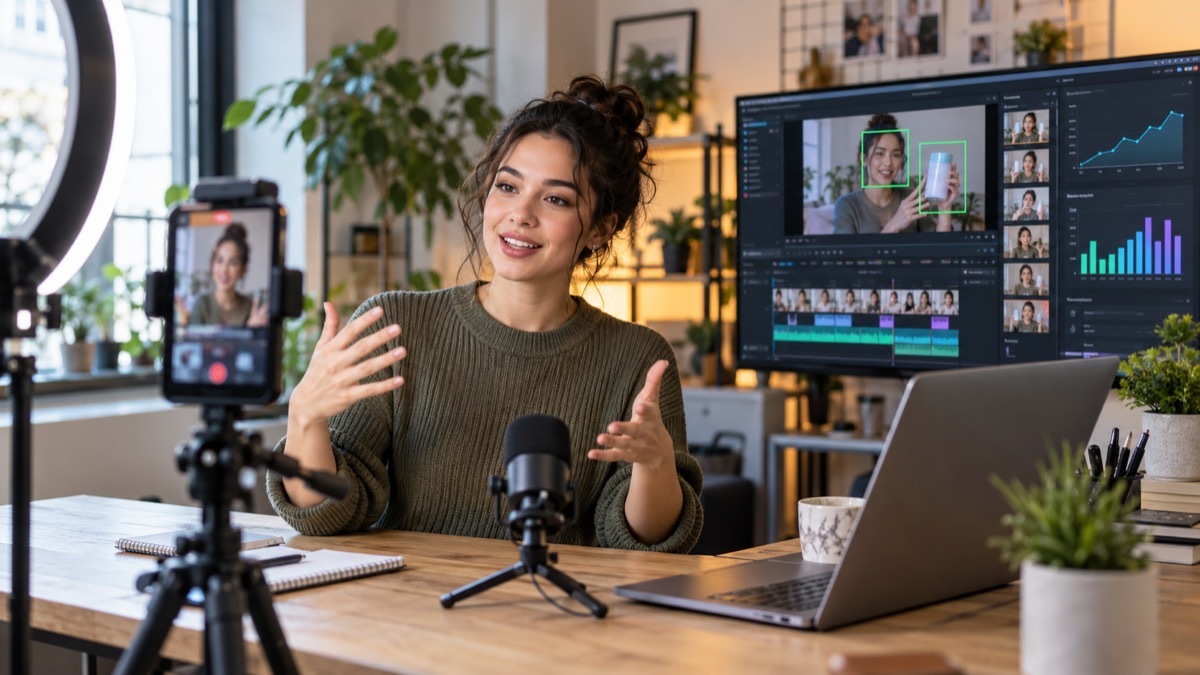
Platform algorithms do not wait for people to check or tag text to sort this type of content. Instead, deep learning vision models work on raw video frames. They use several computer vision steps to do the job:
- Object and Scene Detection: The Convolutional Neural Network (CNN) and Vision Transformers analyze each frame to detect objects, logos, and components that can be seen in the video. They also identify locations and landmarks present in the scene. While creating videos from the gym, the technologies detect the people present in the video, the activities being performed, and even read text appearing in it.
- Optical Flow & Motion Tracking: The code follows how the tiny dots on your screen move as the video plays from one frame to the next. A lot of fast movement or a big visual surprise in the first two seconds helps to grab people’s attention. This change can make more users stop and watch.
- Facial Emotion Recognition: Visual tools watch for eye contact, faces that are easy to read, and smiling or open looks. Videos that show real humans’ faces looking at the camera do well. People watch these longer compared to ones that just show text or simple graphics.
2. Strategic AI Tool Architecture for Video Growth
Adding AI that can see and understand images helps people who make content match their work with what websites suggest. The table below shows how certain types of AI that look at images can change the way content is shared.
|
AI Technology Tier |
Core Vision Function |
Algorithmic Reach Impact |
|
Automated Visual Tagging |
Extracts keyframe object metadata and color palettes |
Accelerates accurate niche categorization in social search indexes. |
|
Generative Motion & Inpainting |
Enhances temporal consistency and background sharpness |
Increases frame quality scores and retains viewer attention. |
|
AI Frame Composition Analysis |
Evaluates rule-of-thirds, lighting contrast, and facial focus |
Improves immediate thumbnail and first-frame click-through rates. |
3. Operational Framework: Optimizing Videos for Vision Models
To make the algorithms that use images help grow your audience, you can use a three-step plan. This plan is made for machines to read it well.
- Begin with a Bright, Visible Picture: Ensure that your key subject is visible, lit appropriately, and centered in the frame from 0 to 3 seconds. The more contrast, the better, because high contrast allows easy detection of the video by object detection algorithms.
- Use Constant Visual Cues: Use constant visual cues, such as the same background color, props, etc., as you post your video. AI algorithms detect patterns, and they assist in establishing the connection of your video to a particular set of content.
- Test Video Quality Before Exporting: Low-resolution or poorly lit video will decrease the likelihood of your video being watched by people and easily detected by AI systems. Use AI-based video tools to improve the quality of your clips and ensure that your videos are uploaded in 1080p. Use a tall format video as the best option.
Strategic Conclusion
Moving from plain video recording to big audience growth needs a strong understanding of computer vision, video details, and how creators plan their content. These days, social media uses more automatic tools to scan and sort videos for each user. To do well as a creator, you need to make top content that is easy for these tools to read.
When you match lighting, key moments, and how you set up your shots with what machine learning picks up—and keep up with hot audio and content trends on TikTok —you can reach more people. This can help you grow your fans and become a trusted digital voice over time.
FAQs
1. How does AI image recognition differ from text-based SEO on short-form platforms?
Visual SEO relies on factors such as captions, titles, and hashtags. The AI algorithm for image recognition analyzes pixel data, identifies object placement in the photo, its light properties, and even sounds from the video clip. In other words, the image quality that we see in the video matters greatly in the search result ranking.
2. Can low-quality video lighting harm algorithmic distribution?
Yes. Dark or blurry videos make it hard for computer vision models to spot people, read feelings, or know what is in the background. This often leads to lower results when they first test the feed.
3. What is the most important visual metric for short-form retention?
The 2-second hook rate is important. A big movement, looking right at the camera, and quick changes in what you see at the start will help people watch your video for a longer time. These things in the first 2 seconds can make more people stay and watch all the way.