

Over the past several years, K-20 educational institutions experienced an unprecedented acceleration in technology adoption. School districts and higher education campuses deployed hundreds of thousands of digital devices, upgraded network infrastructure, and introduced specialized learning management software. However, the rapid influx of digital tools created a complex operational landscape for district leaders. Today, the primary hurdle for educational institutions is no longer acquiring hardware, but rather achieving true technology integration across disparate classroom environments.
According to research highlighted in CoSN’s State of EdTech Leadership Report, technology leaders identify system interoperability, network security, and instructional alignment as top operational pressures facing school districts. When digital tools operate in isolated silos or lack intuitive design, they risk frustrating educators, overburdening IT staff, and diminishing the overall impact on student learning outcomes. Understanding the primary EdTech integration challenges allows school administrators, CIOs, and curriculum directors to build a coherent, sustainable strategy for modernizing learning environments.
Navigating Hardware Fragmentation and AV Standardization
One of the most immediate operational challenges facing district IT departments is hardware fragmentation across classrooms and campuses. During rapid expansion cycles, many schools acquired technology piecemeal across different funding years, resulting in a patchwork of legacy projectors, inconsistent audio systems, and non-standardized displays across individual school buildings. This lack of hardware uniformity forces IT teams to maintain multiple software drivers, manage varying warranty schedules, and deliver complex technical support when equipment malfunctions during class.
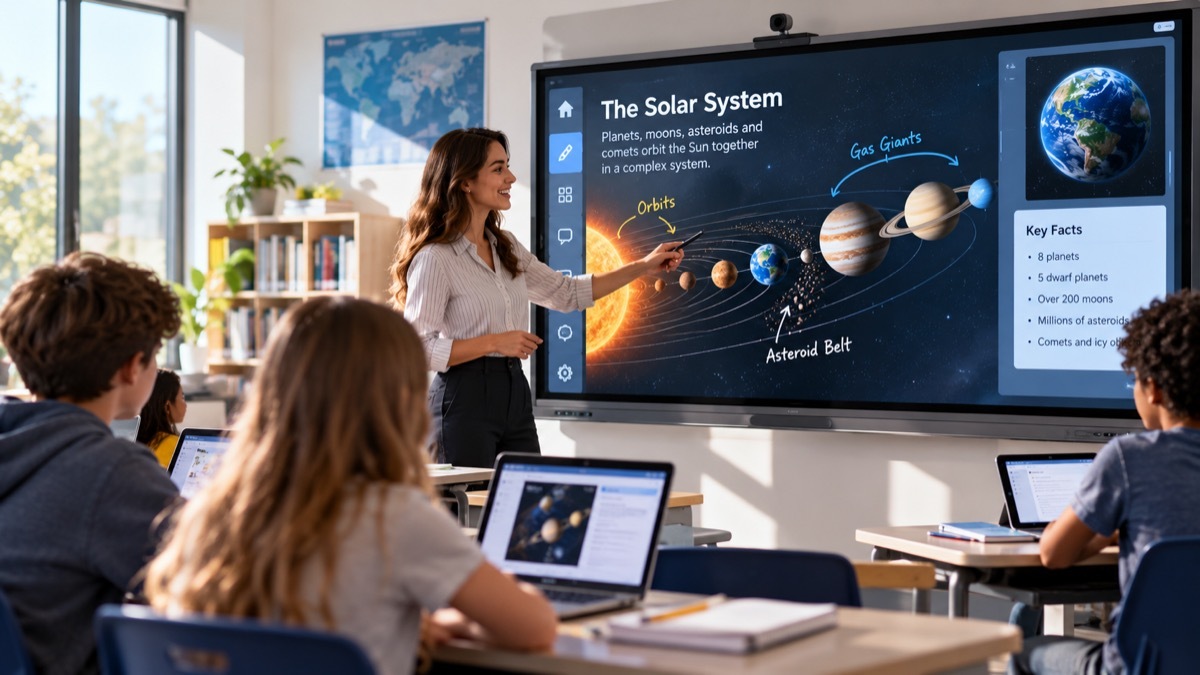
To streamline classroom operations and reduce administrative overhead, education technology leaders prioritize standardized audio-visual systems that offer plug-and-play simplicity for teachers. Upgrading outdated equipment with centralized interactive classroom displays establishes a consistent instructional baseline across every building, enabling educators to move between classrooms without encountering unfamiliar technical interfaces or troubleshooting delays. Standardized AV systems simplify device management while ensuring that every learning space delivers equal visual clarity, multi-touch collaboration capabilities, and seamless content sharing.
Overcoming Professional Development Gaps and Teacher Adoption
Technology is only as effective as an educator’s comfort level with using it in everyday instruction. When new software platforms, hardware peripherals, or interactive displays are introduced without structured, ongoing support, teachers often revert to traditional instruction or experience acute technology fatigue. Professional development gaps represent one of the most significant reasons high-value educational tools remain underutilized after initial deployment.
Effective EdTech integration requires moving beyond basic transactional training sessions that focus solely on operational mechanics and button-pushing. School districts must invest in continuous, pedagogical professional development that demonstrates how technology actively enhances student engagement, supports group collaboration, and enables differentiated learning styles. Providing educators with dedicated peer-coaching time, model lesson templates, and readily available technical assistance builds long-term instructional confidence, transforming digital tools from administrative burdens into powerful teaching assets.
Addressing Interoperability, Data Privacy, and System Security
As the average K-12 district manages dozens of distinct digital applications, system interoperability has emerged as a central technical obstacle. When student information systems, learning management software, and classroom collaboration tools cannot exchange data securely and automatically, administrators and teachers face redundant data entry, fragmented student progress analytics, and operational inefficiency.
Furthermore, expanding a district’s digital footprint increases exposure to cybersecurity vulnerabilities and complex student data privacy risks. Educational institutions must ensure that every connected device, interactive panel, and cloud application strictly complies with federal privacy frameworks such as FERPA and COPPA. Achieving seamless, secure integration requires district technology leaders to partner with established education technology solution providers that adhere to open interoperability standards and enforce robust data security protocols across the entire digital ecosystem.
Sustaining Infrastructure and Managing Lifecycle Refreshes
Emergency funding streams previously enabled widespread device procurement, but many districts now face the daunting challenge of aging infrastructure without clear recurring financial pathways. Laptops, tablets, interactive panels, network switches, and audio distribution systems require routine maintenance, firmware updates, and eventual replacement. Without long-term strategic capital planning, institutions risk suffering widespread hardware failures and widening equity gaps between campuses.
Sustainable EdTech integration demands a deliberate shift from reactive procurement to structured lifecycle management. District leaders must evaluate total cost of ownership rather than initial purchase cost alone, accounting for extended warranties, energy efficiency, ongoing firmware support, and professional implementation services. Establishing a predictable, multi-year hardware refresh schedule ensures that classroom technology remains modern, secure, and fully operational without placing sudden financial strain on district operations.
Building a Unified Strategy for Modern Learning Environments
Overcoming modern EdTech integration challenges requires more than purchasing isolated software licenses or display hardware. It demands a comprehensive approach that aligns campus infrastructure, professional learning, network security, and long-term planning with core instructional goals. By establishing standardized AV environments, supporting educators with continuous professional development, and prioritizing system interoperability, school districts turn complex technology investments into cohesive, future-ready learning spaces.