

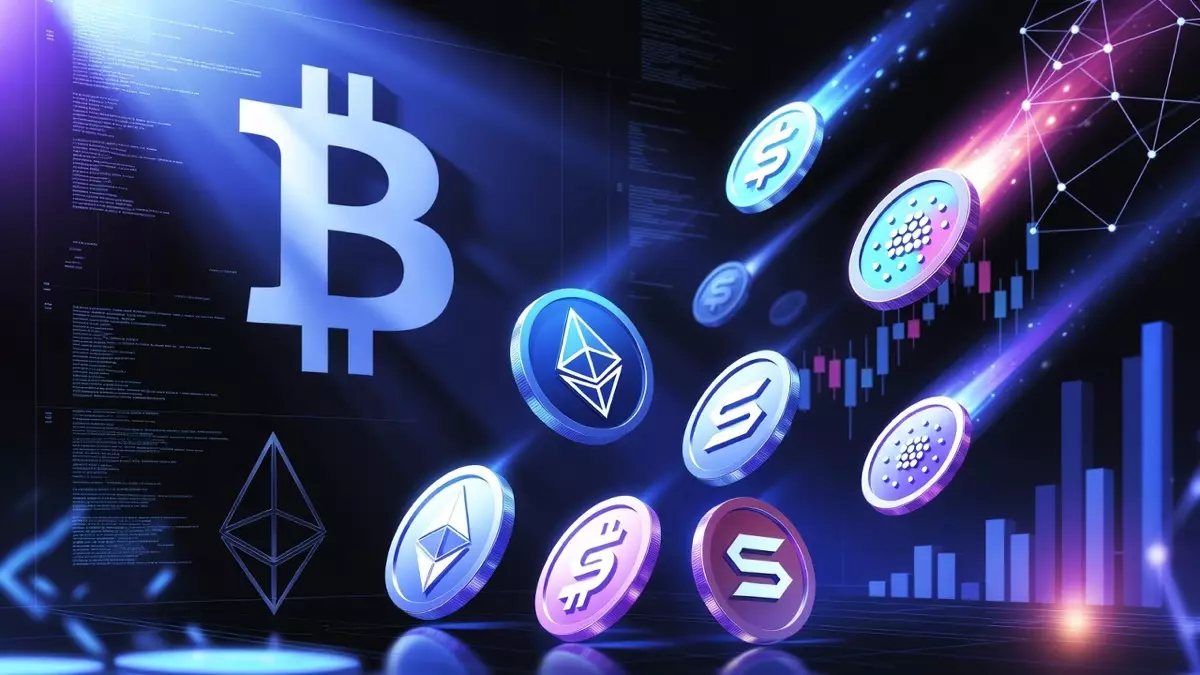
When it comes to cryptocurrencies, altcoins offer both potential gains and risks. Amidst the fluctuations of established digital assets, facts as simple as the Bitcoin price today cast a shadow on the altcoin market, influencing trends and decisions. This is your guide to the practical strategies and insights that can help you understand this intricate ecosystem and make informed investment choices.
What Are Altcoins?
Altcoins, a term coined from “alternative coins,” encompass a diverse range of cryptocurrencies other than Bitcoin. While Bitcoin remains the flagship digital currency, altcoins offer a spectrum of projects with unique features and use cases.
These alternative cryptocurrencies may serve different purposes, from enhancing privacy and scalability to enabling smart contracts and decentralized applications. When considering altcoins, understanding market capitalization is crucial.
Market capitalization (market cap) indicates the total value of a cryptocurrency in circulation, calculated by multiplying its price by the circulating supply. This metric offers insights into a coin’s relative size within the broader market, enabling investors to gauge its potential for growth. Given the rapid proliferation of altcoins, it’s essential to understand the nuances that distinguish each project.
Factors such as the underlying technology, development team’s expertise, and community engagement help to determine an altcoin’s long-term viability. While established cryptocurrencies like Bitcoin command widespread recognition, lesser-known altcoins often present unique opportunities for higher returns, provided thorough research is conducted.
What Are Early Signs of Promising Altcoin Projects?
Recognizing promising altcoin projects amidst a sea of options requires a keen eye for detail and a proactive approach to research. Key indicators of a potentially lucrative altcoin include innovative technology that solves real-world problems, a competent team with a proven track record, and an active community that fosters engagement and adoption.
A notable advantage of identifying early-stage altcoin projects lies in the prospect of significant growth potential. While established cryptocurrencies may offer stability, newer altcoins have the capacity for exponential gains, albeit accompanied by heightened volatility.
How Can You Spot Trends and Patterns?
Monitoring trends and patterns within the altcoin market is essential for making data-driven investment decisions. External factors such as regulatory developments, market sentiment, and macroeconomic indicators can significantly impact the trajectory of altcoins. By staying informed and leveraging tools and analysis techniques, investors can identify emerging trends and position themselves advantageously in the market.
Technical analysis, which involves studying price charts and trading volumes, can reveal patterns that predict future price movements. On the other hand, fundamental analysis looks into a project’s financial health, technological innovation, and market positioning.
Combining these approaches with a discerning eye for market dynamics can empower investors to spot trends early and capitalize on ripe opportunities within the altcoin space.
What Tools and Resources Do Traders Use for Altcoin Research?
Evaluating altcoins involves leveraging a variety of tools and resources to inform your investment decisions. Platforms such as CoinMarketCap and CoinGecko offer comprehensive data on thousands of cryptocurrencies, including price movements, market capitalization, and trading volume.
Engaging with cryptocurrency enthusiasts and participating in discussions can offer valuable insights into emerging trends and potential investment opportunities. Additionally, blockchain analytics tools such as Etherscan and Blockchair enable investors to scrutinize transaction histories and network activity for specific altcoins, facilitating in-depth research and diligence.
Mitigating Risks and Making Informed Decisions
Investing in altcoins entails inherent risks due to the market’s volatility and regulatory uncertainties. To mitigate these risks, exercise caution and adopt a disciplined approach to investing.
Establishing clear investment goals, conducting thorough research, and diversifying your portfolio can help minimize potential losses and maximize returns. Risk management strategies such as setting stop-loss orders, limiting exposure to speculative assets, and avoiding FOMO tendencies can safeguard your investments against sudden market fluctuations.
Maintaining a Long-Term Perspective
Amidst the allure of short-term gains and market frenzies, maintaining a long-term perspective is paramount when investing in altcoins. While some projects may experience rapid price fluctuations and speculative hype, a patient and strategic approach can yield sustainable returns over time.
Recognizing the intrinsic value of promising altcoin projects and their potential for long-term growth can guide investors towards prudent decision-making. Hodling, a term derived from “holding” in the cryptocurrency community, signifies the act of retaining assets for an extended period despite market volatility.
This strategy aligns with the philosophy of believing in the fundamentals of a project and weathering short-term price fluctuations for potential long-term gains. By cultivating patience and resilience, investors can enter the turbulent altcoin market with confidence and composure.
Combining Confidence and Mindfulness in Altcoin Investments
By understanding altcoins, identifying promising projects, spotting trends, and utilizing relevant tools and resources, investors can capitalize on the evolving cryptocurrency landscape. Mitigating risks through informed decision-making, a long-term perspective, and a disciplined investment approach are key tenets for successfully entering the volatile altcoin market.