

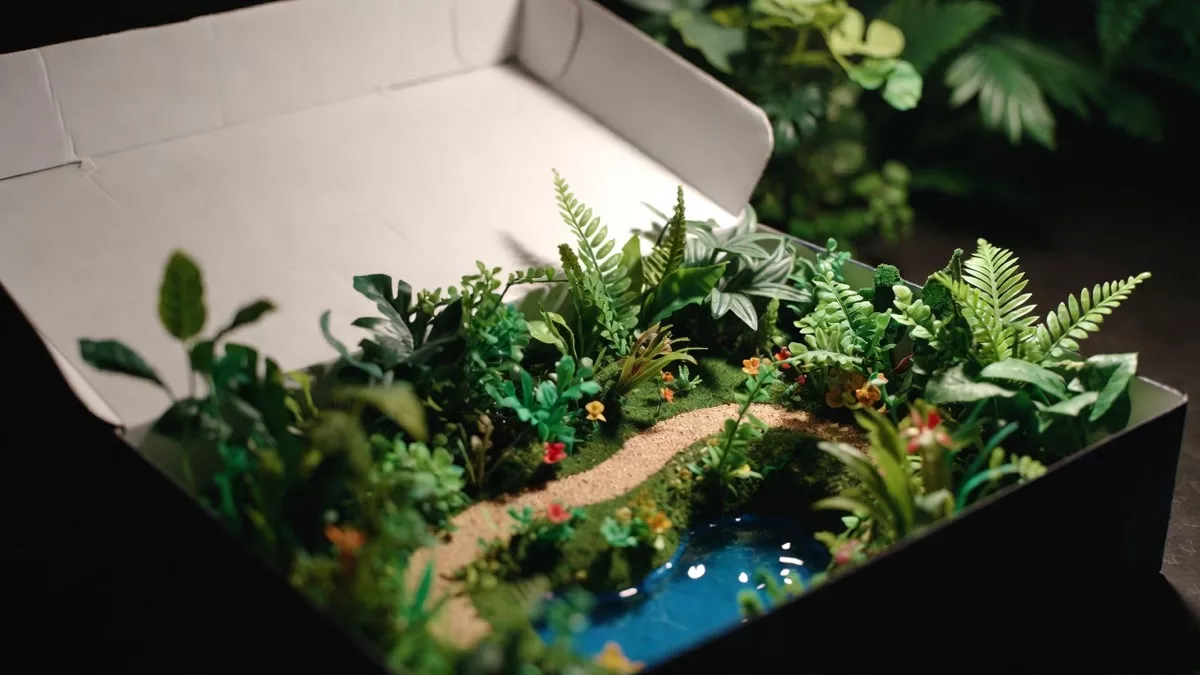

How to Build a Diorama: Quick Project Guide
-
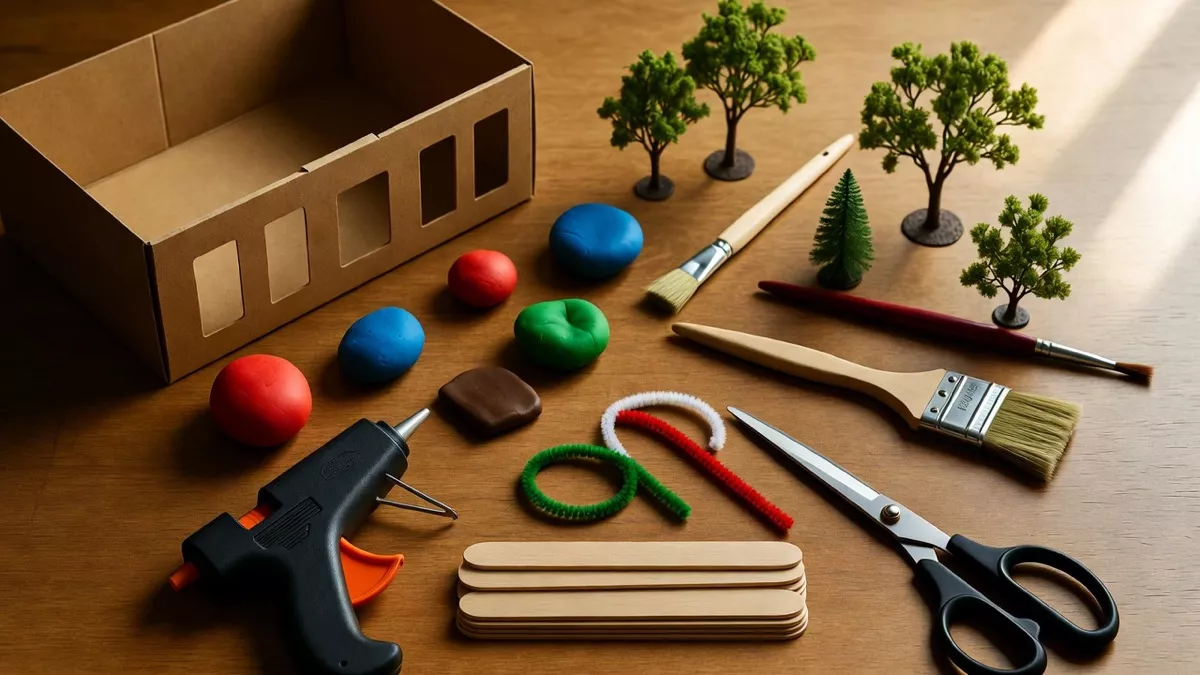
- Define the scope — Subject, learning objectives, timeline, and rubric.
-
- Gather materials — Shoebox, paint, clay, pipe cleaners, craft sticks, miniature figures, fake plants, glue, recycled items.
-
- Build the scene — Layer background, midground, and foreground elements for depth.
-
- Add details — Labels, textures, printed backgrounds, and small finishing touches.
-
- Present — Combine with slides, video, or a digital write-up for a complete project.
Dioramas Meet Tech: The Digital Connection
Here’s where it gets interesting. The art of building a diorama teaches skills that translate directly to modern web design and digital creation.
| Diorama Principle | Digital Equivalent |
|---|---|
| Composition & visual hierarchy | Layout, contrast, and spacing in UI/UX design |
| Storytelling in a confined space | Landing pages, hero sections, single-page sites |
| Foreground / midground / background | CSS parallax scrolling, z-index layering |
| Crafted micro-details | Hover effects, microinteractions, animations |
| Tactile accessibility | Alt text, ARIA labels, keyboard navigation |
Virtual Dioramas: 3D on the Web
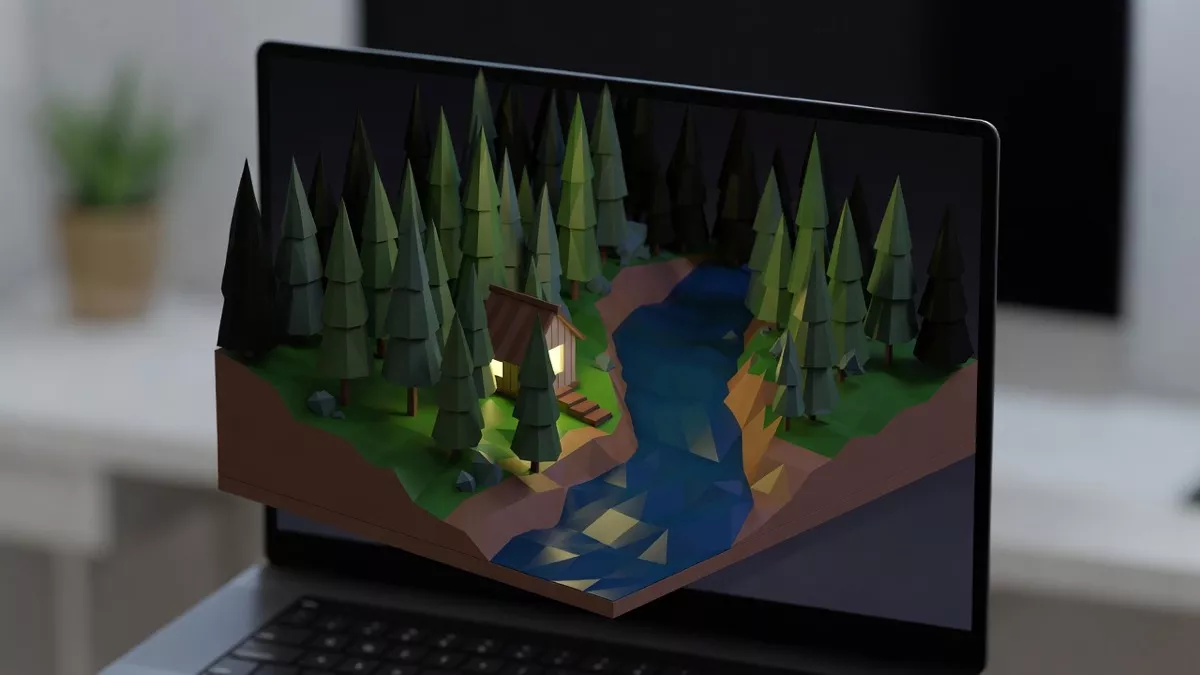
With technologies like Three.js, WebGL, and A-Frame, developers can build interactive diorama-style scenes directly in the browser. Users can rotate, zoom, and explore miniature 3D worlds — museums, e-commerce sites, and educational platforms already use this approach for immersive content.
For PHP/WordPress developers, a diorama project makes a compelling portfolio piece: build a CMS-powered gallery with custom post types, serve 3D scene configurations via an API, or create an interactive showcase with embedded Sketchfab models. It demonstrates full-stack skills while being genuinely original.
Digital Tools for Diorama Projects
| Tool | Use Case |
|---|---|
| Three.js | Interactive browser-based 3D diorama scenes |
| Blender | Detailed 3D modeling and asset creation |
| A-Frame | VR/AR diorama experiences in the browser |
| Tinkercad | Beginner-friendly 3D design for students |
| Sketchfab | Publish and embed 3D dioramas on any website |
| WordPress + PHP | Diorama gallery site with SEO optimization |
Frequently Asked Questions About Dioramas
What is a diorama?
A diorama is a three-dimensional miniature scene, usually built inside a box, that depicts a subject, event, or environment. They are widely used in education, museums, and creative projects.What materials do you need to make a diorama?
Common materials include a shoebox, paint or markers, modeling clay, pipe cleaners, craft sticks, miniature figures, fake plants, glue, tape, and recycled items. There is no fixed list — creativity is encouraged.Are dioramas suitable for students with visual impairments?
Yes. Dioramas are inherently tactile and multi-sensory, making them one of the best project formats for students who are blind or visually impaired. They can touch and explore every element of the scene.Can you create a digital diorama?
Absolutely. Tools like Three.js, Blender, A-Frame, and Tinkercad allow you to build virtual 3D diorama scenes that can be viewed and interacted with directly in a web browser.How do dioramas relate to web design?
Dioramas teach composition, layering, storytelling in a confined space, and attention to detail — all core principles of effective web design and UX. Parallax scrolling, visual hierarchy, and micro-interactions are direct digital equivalents.Final Thoughts
Whether built from a shoebox or coded in Three.js, dioramas remain a meaningful creative exercise that develops spatial thinking, storytelling, and craftsmanship. For educators, they foster inclusive, multi-sensory learning. For web professionals, they offer a fresh lens on design principles and a unique portfolio opportunity.
The enduring power of dioramas is simple: curate a space, tell a story, and invite your audience to explore.
Dioramas are three-dimensional miniature scenes that bring a subject to life inside a confined space — typically a box. Popularized in museums and classrooms for over two centuries, they remain one of the most effective hands-on projects for learning, creativity, and inclusive education.
But dioramas aren’t just a school assignment. Their core principles — composition, storytelling, depth, and detail — are the same ones that drive great web design, 3D modeling, and interactive digital experiences. This article explores both sides.
Why Dioramas Are a Powerful Educational Project
Dioramas are physical boxes built to showcase learning on a subject matter or topic. They incorporate craft-based construction into academic understanding, allowing students to illustrate scenes from literature, recreate historical events, or visualize scientific ecosystems.
They work across virtually every subject — history, science, geography, literature — and they engage kinesthetic, visual, and tactile learners simultaneously. For students who have difficulty writing or speaking, dioramas offer an alternative expression format that still demonstrates mastery.
Inclusive by Design: Dioramas for Visually Impaired Students
For students who are blind or visually impaired, dioramas are especially valuable. Unlike flat worksheets or screens, they are inherently tactile and multi-sensory. Students can touch, feel, and manipulate each element, deepening comprehension. They also spark natural collaboration — sighted peers describe their scenes, creating inclusive communication opportunities.
How to Build a Diorama: Quick Project Guide
-
- Define the scope — Subject, learning objectives, timeline, and rubric.
-
- Gather materials — Shoebox, paint, clay, pipe cleaners, craft sticks, miniature figures, fake plants, glue, recycled items.
-
- Build the scene — Layer background, midground, and foreground elements for depth.
-
- Add details — Labels, textures, printed backgrounds, and small finishing touches.
-
- Present — Combine with slides, video, or a digital write-up for a complete project.
Dioramas Meet Tech: The Digital Connection
Here’s where it gets interesting. The art of building a diorama teaches skills that translate directly to modern web design and digital creation.
| Diorama Principle | Digital Equivalent |
|---|---|
| Composition & visual hierarchy | Layout, contrast, and spacing in UI/UX design |
| Storytelling in a confined space | Landing pages, hero sections, single-page sites |
| Foreground / midground / background | CSS parallax scrolling, z-index layering |
| Crafted micro-details | Hover effects, microinteractions, animations |
| Tactile accessibility | Alt text, ARIA labels, keyboard navigation |
Virtual Dioramas: 3D on the Web
With technologies like Three.js, WebGL, and A-Frame, developers can build interactive diorama-style scenes directly in the browser. Users can rotate, zoom, and explore miniature 3D worlds — museums, e-commerce sites, and educational platforms already use this approach for immersive content.
For PHP/WordPress developers, a diorama project makes a compelling portfolio piece: build a CMS-powered gallery with custom post types, serve 3D scene configurations via an API, or create an interactive showcase with embedded Sketchfab models. It demonstrates full-stack skills while being genuinely original.
Digital Tools for Diorama Projects
| Tool | Use Case |
|---|---|
| Three.js | Interactive browser-based 3D diorama scenes |
| Blender | Detailed 3D modeling and asset creation |
| A-Frame | VR/AR diorama experiences in the browser |
| Tinkercad | Beginner-friendly 3D design for students |
| Sketchfab | Publish and embed 3D dioramas on any website |
| WordPress + PHP | Diorama gallery site with SEO optimization |
Frequently Asked Questions About Dioramas
What is a diorama?
A diorama is a three-dimensional miniature scene, usually built inside a box, that depicts a subject, event, or environment. They are widely used in education, museums, and creative projects.What materials do you need to make a diorama?
Common materials include a shoebox, paint or markers, modeling clay, pipe cleaners, craft sticks, miniature figures, fake plants, glue, tape, and recycled items. There is no fixed list — creativity is encouraged.Are dioramas suitable for students with visual impairments?
Yes. Dioramas are inherently tactile and multi-sensory, making them one of the best project formats for students who are blind or visually impaired. They can touch and explore every element of the scene.Can you create a digital diorama?
Absolutely. Tools like Three.js, Blender, A-Frame, and Tinkercad allow you to build virtual 3D diorama scenes that can be viewed and interacted with directly in a web browser.How do dioramas relate to web design?
Dioramas teach composition, layering, storytelling in a confined space, and attention to detail — all core principles of effective web design and UX. Parallax scrolling, visual hierarchy, and micro-interactions are direct digital equivalents.Final Thoughts
Whether built from a shoebox or coded in Three.js, dioramas remain a meaningful creative exercise that develops spatial thinking, storytelling, and craftsmanship. For educators, they foster inclusive, multi-sensory learning. For web professionals, they offer a fresh lens on design principles and a unique portfolio opportunity.
The enduring power of dioramas is simple: curate a space, tell a story, and invite your audience to explore.