
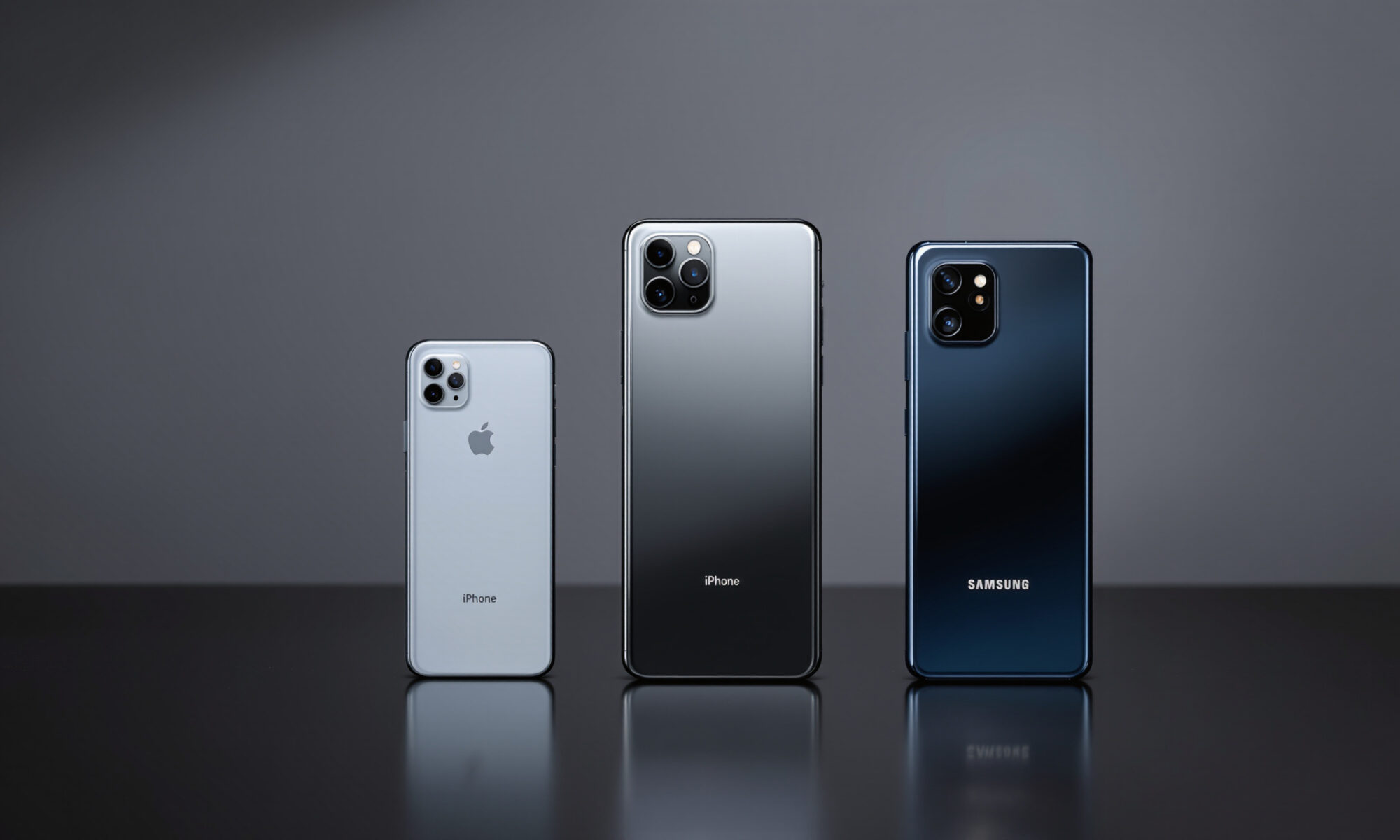
The best smartphones entering 2027 are the Google Pixel 11 Pro for value and computational photography, the Apple iPhone 18 Pro for video and battery claims, and the Samsung Galaxy S26 Ultra for camera versatility and its large display. As of October 27, 2026, no 2027 flagship can be ranked responsibly because 2027 models, prices and comparative tests aren’t available.
What are the best smartphones entering 2027?
The best smartphones available before 2027 serve different priorities: the $1,099 Google Pixel 11 Pro offers the lowest entry price, the $1,199 Apple iPhone 18 Pro leads on manufacturer-rated video playback, and the $1,299.99 Samsung Galaxy S26 Ultra provides the broadest rear-camera hardware and largest screen. All prices are 2026 U.S. launch prices.
A flagship smartphone is a manufacturer’s premium handset category that combines its most advanced processor, camera system, display and software features. No single 2026 model wins every category, so a credible ranking has to reflect what you actually do with a phone.
The Pixel is the sensible value pick. Google’s handset costs $100 less than the iPhone and $200.99 less than the Galaxy at their respective 2026 launch prices. Over a three-year ownership period, the gap between Pixel and Galaxy works out to about $5.58 a month before tax, accessories, trade-ins or carrier incentives.
Apple’s model is the strongest fit for people who prioritize video, iOS or other Apple products. Samsung’s Ultra makes more sense when you want a 6.9-inch canvas and four distinct rear cameras. Mobile gamers should also compare purpose-built cooling and performance features among the most powerful gaming phones of 2026 rather than assume a mainstream flagship is automatically the fastest choice.
| Model | 2026 U.S. launch price | Display | Rear cameras | Manufacturer battery claim |
|---|---|---|---|---|
| Google Pixel 11 Pro | $1,099 | 6.3 inches, up to 120Hz | 50MP main, 48MP ultrawide, 48MP 5x telephoto | More than 30 hours mixed use |
| Apple iPhone 18 Pro | $1,199 | 6.3 inches, up to 120Hz | 48MP variable-aperture main camera | Up to 36 hours video playback |
| Samsung Galaxy S26 Ultra | $1,299.99 | 6.9 inches, up to 120Hz | 200MP main, 50MP ultrawide, 10MP 3x and 50MP 5x telephoto | Up to 31 hours video playback |
The table uses specifications published in 2026 by Apple, Google and Samsung, alongside the launch-price comparison reported by DPReview. Storage tiers aren’t included in the supplied pricing data, so compare equal capacities before buying.
Which flagship phone has the best camera system?
The Samsung Galaxy S26 Ultra has the most versatile camera hardware of the three 2026 flagships, with a 200MP main camera, 50MP ultrawide, 10MP 3x telephoto and 50MP 5x telephoto. The Google Pixel 11 Pro offers three rear cameras and 120x Pro Zoom, while the Apple iPhone 18 Pro emphasizes variable-aperture capture and video.
Megapixels alone don’t establish image quality. Sensor dimensions, optics, processing, stabilization and subject movement can matter more than the number printed beside a lens. A 200MP sensor may help with cropping in favorable light, but it doesn’t guarantee a cleaner nighttime photograph.
Google’s 2026 camera specification combines a 50MP main camera with 48MP ultrawide and 48MP 5x telephoto units. Pro Zoom reaches 120x, according to Google’s Pixel 11 Pro announcement. That upper number describes reach rather than a promise of optical-quality results at maximum magnification.
The iPhone’s distinguishing feature is its 48MP variable-aperture main camera. Apple added variable-aperture support to Final Cut Camera on September 29, 2026, making the Pro particularly relevant to creators who want more control in an Apple-centered video workflow. In my view, that workflow matters more than a spec-sheet megapixel victory.
Which of the best smartphones has the longest battery life?
Among the best smartphones entering 2027, the Apple iPhone 18 Pro has the highest comparable manufacturer video-playback claim at up to 36 hours in 2026, versus up to 31 hours for the Samsung Galaxy S26 Ultra. Google’s Pixel 11 Pro claim exceeds 30 hours, but Google measures mixed use, so it cannot be ranked directly against video playback.
These are manufacturer ratings, not one controlled independent test. Screen brightness, cellular signal, camera use, gaming and navigation can change your result sharply. Treat the quoted hours as guidance within each brand’s testing framework, not as a five-hour real-world victory for Apple.
Samsung specifies a 5,000mAh battery and charging at up to 60W for the Galaxy S26 Ultra in 2026. Capacity and charging power answer different questions: milliamp-hours describe nominal battery capacity, while watts indicate peak charging input under supported conditions. Neither figure tells you how long a demanding app will run by itself.
Buyers focused on endurance may find a broader baseline in the earlier Pixel 10 and OnePlus 15 battery comparison. Generational comparisons require care, though, because test methods and software versions can change.
How do AI features and software updates compare?
The Google Pixel 11 Pro and Samsung Galaxy S26 Ultra each carry a stated seven-year software commitment in 2026, although the wording differs by brand. Google promises operating-system, security and Pixel Drop updates, while Samsung promises seven Android OS generations and seven years of security updates. Apple provides no fixed update-year guarantee in the reviewed iPhone 18 Pro specification.
Google runs Gemini Nano on the Tensor G6 and includes Magic Capture, Camera Coach and HiLight notifications in 2026. Samsung’s contextual Galaxy AI features include Now Nudge and Now Brief, while a selectable Privacy Display addresses on-screen visibility around other people.
Apple lists iOS 27, Apple Intelligence and beta Siri AI for the iPhone 18 Pro. Apple’s 2026 support information also says some server-based AI features have daily limits and that expanded access is planned as a paid option. That’s a purchasing detail easy to miss: an advertised feature may not mean unlimited use for the phone’s entire life.
Long support is valuable only if the hardware remains practical and repairs remain economical. Security matters too. Android buyers can read about malware found in Android firmware, while iPhone users can examine the reported iOS wallet-data exploit. Neither platform is immune to targeted threats.
Should you buy a 2026 flagship or wait for 2027?
Buying a 2026 flagship makes sense when you need a phone before verified 2027 launches, especially if a discount reduces the cost below its 2026 launch price. Waiting is more rational when your existing handset works well and you want confirmed 2027 pricing, independent camera tests or evidence of meaningful battery gains.
As of October 27, 2026, any definitive list of the best smartphones of 2027 would be speculation. Product names can leak, but a leaked specification doesn’t establish retail pricing, sustained performance, image quality or battery life. Reliable rankings require shipping hardware tested with released software.
Use these checks before spending flagship money:
- Compare the same storage capacity and include 2026 sales tax, cases, chargers and protection plans.
- Check carrier bands, eSIM support and roaming terms; the practical differences among eSIM, local SIM and carrier roaming become significant when you travel.
- Price the upgrade after trade-in, then compare the offer with the cash value of your existing phone.
- Confirm that the AI feature you want works in your language, region and preferred apps.
- Wait for controlled reviews if camera consistency or heavy-use battery life determines your purchase.
A flagship isn’t the automatic answer. If your budget is below four figures, compare new and refurbished budget phones from 2026. Honestly, paying $1,299.99 primarily for messaging, maps and casual photos is difficult to justify when a less expensive handset covers those jobs.
Frequently asked questions
Are any 2027 flagship phones available yet?
No verified 2027 flagship launches were available as of October 27, 2026. Rankings claiming definitive 2027 winners before released hardware and comparative testing are premature.
What is the cheapest premium phone in this comparison?
The Google Pixel 11 Pro is the least expensive model compared here, with a 2026 U.S. launch price of $1,099. The Apple iPhone 18 Pro launched at $1,199, and the Samsung Galaxy S26 Ultra launched at $1,299.99.
Do all three flagship phones have 120Hz displays?
The Google Pixel 11 Pro, Apple iPhone 18 Pro and Samsung Galaxy S26 Ultra all support refresh rates up to 120Hz in their 2026 specifications. The Pixel and iPhone displays measure 6.3 inches, while the Galaxy display measures 6.9 inches.
Which flagship has the longest guaranteed software support?
The Google Pixel 11 Pro promises seven years of operating-system, security and Pixel Drop updates from first U.S. Google Store availability, while Samsung promises seven Android OS generations and seven years of security updates for the Galaxy S26 Ultra from its 2026 global launch. Apple didn’t publish a fixed guaranteed number of update years in the reviewed iPhone 18 Pro specification.