

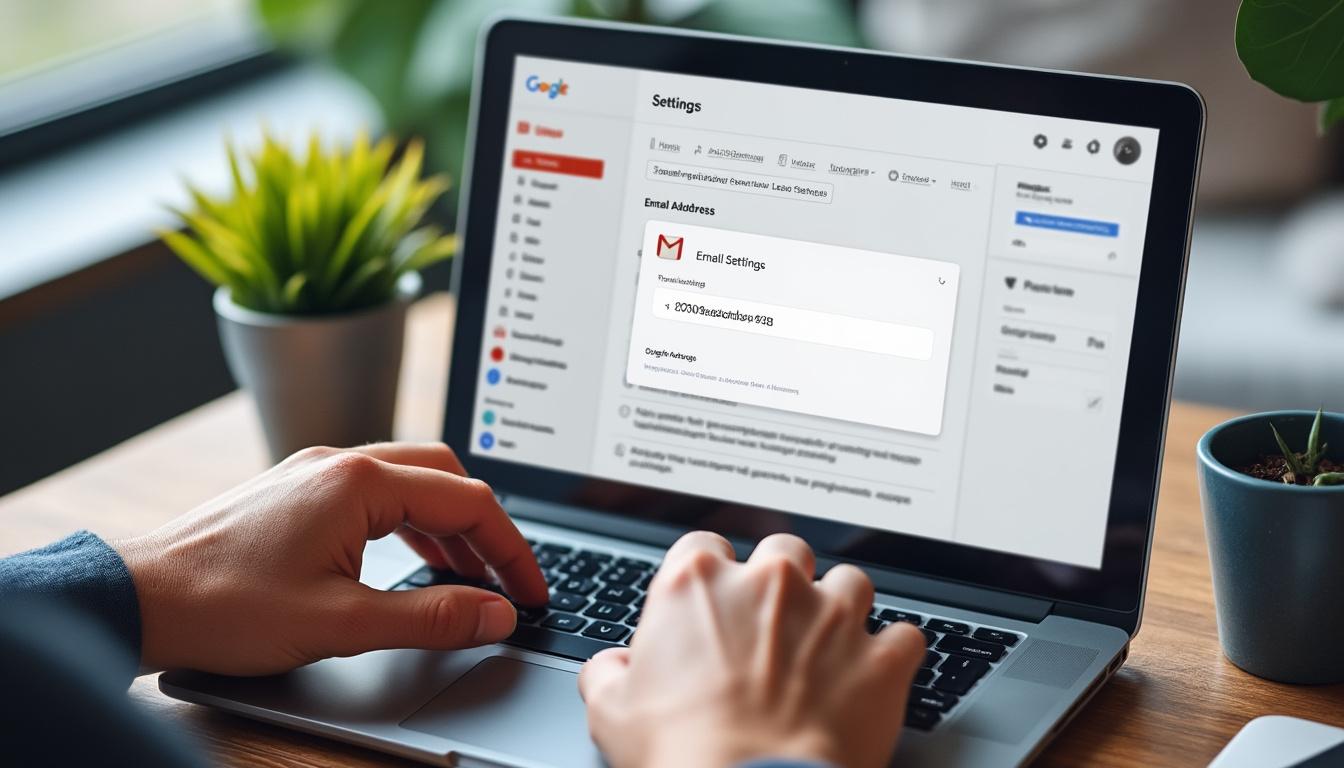
Now available step-by-step guide for US Google users to change their Gmail address, with clear rules, device-specific steps, and practical advice for keeping mail, files, and logins safe.
Now Available Step-by-Step Guide for US Google Users to Change Their Gmail Address
A longtime Gmail user often reaches a point where an old address no longer fits. A teenage nickname looks unprofessional on job applications. A last name changes after marriage or divorce. A side project grows into a business, and the inbox name starts looking careless. For years, Gmail users had one frustrating answer: open a new account and start over. That created a mess of lost subscriptions, broken logins, scattered Drive files, and missed messages.
Now available step-by-step guide for US Google users to change their Gmail address matters because Google has started allowing eligible users in the United States to change the username part of an address ending in gmail.com while keeping the same Google account. This shift changes the old rule many people had accepted for years. Instead of abandoning an account with years of email history, saved passwords, photos, calendars, and documents, users get a cleaner path.
Now available step-by-step guide for US Google users to change their Gmail address also needs one clear warning. Google did not turn this into a free-for-all. The option depends on account eligibility, rollout status, and username availability. Some accounts will see the setting right away. Others will wait until the feature reaches them fully. If a desired address is taken, there is no shortcut around that limit.
A practical example helps. Consider a user named Daniel who created “[email protected]” in high school. In 2026, he uses the same account for banking alerts, client emails, cloud storage, and Android sign-in. Creating a fresh account would mean moving years of data and updating dozens of services. With the new option, Daniel keeps the account itself and changes the public-facing Gmail name to something cleaner, such as “[email protected],” if available.
Now available step-by-step guide for US Google users to change their Gmail address has another major benefit. Reports tied to the rollout indicate the old address stays as an alias in many supported cases, so incoming messages sent to the previous name still reach the same inbox. That reduces the risk of missed emails while friends, clients, and services learn the new address. For users who depend on Gmail across phones, browsers, and apps, this lowers friction in a way Google had resisted for a long time.
The topic also reaches beyond email. A Gmail address often sits at the center of a digital identity. It connects to Drive, YouTube, Docs, Google Photos, Meet, Maps reviews, and app logins. Readers who want a broader view of how Gmail fits into daily use will find useful context in this Gmail service guide. Users who rely on Android across multiple devices should also understand how account changes affect sign-in behavior, app sync, and notifications, which ties closely to this Android overview.
Now available step-by-step guide for US Google users to change their Gmail address is not a cosmetic update. It is a practical identity fix with direct effects on communication, work, and account continuity. That is why the setup process deserves careful attention before anyone taps save.

How the Gmail Address Change Works on Desktop, Android, and iPhone
Now available step-by-step guide for US Google users to change their Gmail address starts with one basic check: open the Google Account settings and look for the email section. The path varies slightly by device, but the core idea stays the same. On desktop, users sign in to their Google Account, open Personal info or Account info, then look for the Google Account email entry. If the feature is active for the account, an edit option appears next to the Gmail address.
On Android, the route often begins in the Settings app under Google, then Manage your Google Account. On iPhone or iPad, many users will reach the same menu through the Gmail app profile icon or through a browser session tied to their account. If the address setting appears, Google will ask for verification. Expect a password prompt, and in many cases a second step tied to two-factor authentication.
Now available step-by-step guide for US Google users to change their Gmail address should be followed in order:
- Open your Google Account settings.
- Select the section related to personal info or account email.
- Check whether the Gmail username edit option appears.
- Enter the new desired username before @gmail.com.
- Review availability and Google’s warnings.
- Verify your identity with password and security prompts.
- Confirm the change and sign back in where needed.
Not every request will pass. Three practical restrictions matter most. First, the feature appears only for supported US accounts during the rollout. Second, the new username must be available. Third, Google’s own account safety rules still apply, which means suspicious activity, unusual recovery patterns, or certain managed account setups might slow or block the change.
What users should check before pressing confirm
People often focus on the new address and ignore the surrounding services. That creates avoidable problems. If an address is tied to banking, payroll, healthcare portals, school records, or business invoices, the contact email should be updated soon after the change. The old alias may still receive mail, but relying on that forever is poor practice.
The table below gives a quick planning view.
| Area to review | Why it matters | What to do |
|---|---|---|
| Saved logins | Some sites display the old email at sign-in | Update account profiles on key services |
| Banking and bills | Security alerts must go to the right address | Replace old contact email within each portal |
| Work and clients | Replies might still use the outdated address | Send a short notice with the new address |
| Apps on phone | Sync or sign-in prompts may appear again | Check Gmail, Drive, Photos, and Calendar |
Users who store years of files in Google’s ecosystem should also review how the account connects across services. This Google Drive guide helps readers map where email identity overlaps with documents, sharing permissions, and cloud storage habits. The main lesson is simple. Changing a Gmail name is easier than creating a new account, but a few minutes of review prevent weeks of confusion.
The process feels short on screen. The impact reaches far beyond one settings page.
Rules, Risks, Smart Timing, and Questions Users Are Asking
Now available step-by-step guide for US Google users to change their Gmail address needs one argument stated plainly: changing an address is worth doing only when the new name solves a real problem. Many users rush into a switch because the feature is new. That is a mistake. A cleaner address helps when professionalism, privacy, or life changes require it. Outside those cases, every identity change creates follow-up work.
Timing matters. The best moment is before a job hunt, before launching a business site, or during a planned account cleanup. A poor moment is during tax season, while traveling, or while waiting for legal or financial emails. Why add confusion when sensitive messages are in motion? A stable window gives users time to test sign-ins, update contacts, and review security alerts.
Now available step-by-step guide for US Google users to change their Gmail address also intersects with privacy and fraud prevention. Attackers watch for account changes because users become less attentive during transitions. After the switch, users should review recovery phone numbers, backup email details, passkeys, and recent device access. If two-factor authentication is off, this is the wrong time to stay casual. Turn it on first.
There is also a communication issue. Friends and coworkers often keep replying to the saved contact they already know. A short transition message helps. Keep it plain. State the new address, note that the account remains the same, and ask people to update their address book. If an old embarrassing username has circulated for years, this one email cleans up future confusion.
Artificial intelligence features inside Gmail have also changed how people manage inbox transitions. Smart summaries, drafting tools, and search assistance reduce the friction of sorting account notices and updating conversations. Readers curious about this side of the platform will find useful background in this look at AI in Gmail. The central point remains stronger than any trend feature. Identity control matters more than inbox novelty.
One final detail deserves attention. Google’s support pages and public statements around the rollout made clear that this option was long awaited and limited at first. So if one user sees the feature and another does not, the difference does not always mean error. It often reflects phased availability, account type, or a delayed setting refresh. Check again after updating apps, signing out and back in, or opening the account page from a desktop browser.
Now available step-by-step guide for US Google users to change their Gmail address is best seen as a maintenance task with long-term payoff. Done carefully, it cleans up a digital identity without wiping years of history. Done carelessly, it creates support headaches across services. Readers who have already used the feature should compare results, share what changed across devices, and pass this guide along to anyone still stuck with an address from another phase of life.
Who can change a Gmail address in the United States?
Eligible Google users in the U.S. whose accounts support the rollout will see the option inside Google Account settings. Availability depends on account status, rollout timing, and whether the new username is free.
Will old emails and Google Drive files stay in the same account?
Yes. The feature is designed to keep the same Google account, which means existing mail, files, photos, and service access stay attached to the account instead of moving to a new profile.
Does the old Gmail address still receive messages?
In many supported cases, the previous Gmail address remains as an alias, so incoming mail sent to the old name still reaches the inbox. Users should still update important services and contacts instead of depending on the alias forever.
What should be updated right after changing the address?
Start with banking, bills, work tools, shopping accounts, school portals, and password manager entries. Then review phone sign-ins, recovery options, and two-factor authentication settings.
What if the edit option does not appear?
The feature might not have reached the account yet, or the account type may not support it. Check from a desktop browser, update Gmail and Google apps, sign in again, and review Google Account settings later.