

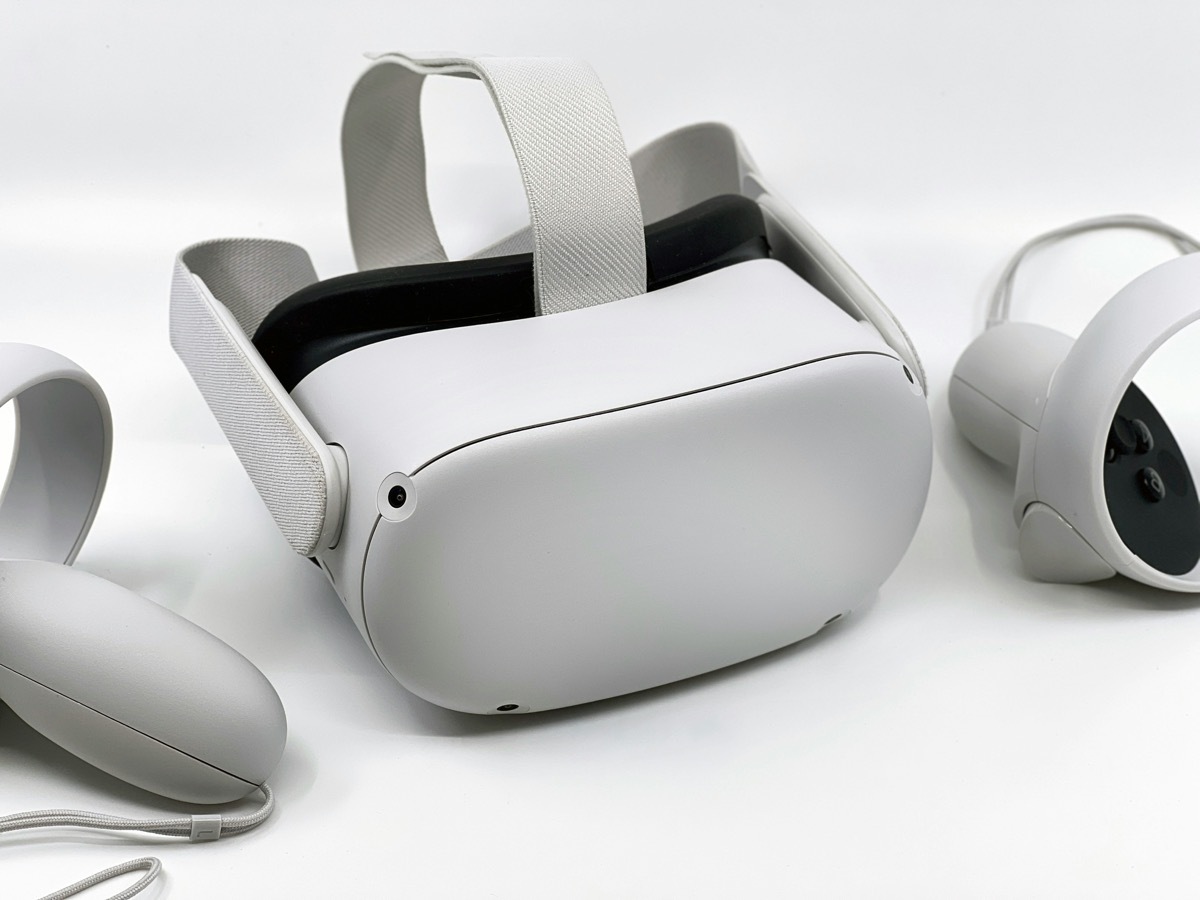
The way organisations work with technology is changing quickly. Mixed reality is playing an increasingly important role in that development. Today, the technology is also being used in practical ways in the workplace. It is used in areas such as manufacturing, logistics, healthcare and training. Its main strength is the combination of the physical world with digital information. This can help make many processes more efficient.
Why mixed reality is being used more often
Many companies are looking for ways to make work easier and more efficient. Mixed reality can help by showing digital information directly in the place where someone is working.
A technician, for example, can see instructions while working on a machine. A colleague in another location can watch along and give guidance straight away. During inspections, information can also be displayed over a product or installation, making it easier to see where something is wrong or needs attention. This saves time and makes certain tasks easier to follow.
This can be especially useful for more complicated processes. Employees do not have to check a manual as often or ask a colleague what the next step is. The information is right in front of them. That can save time and also help people carry out tasks in a more consistent way.
Choosing the right hardware makes a difference
If you want to use mixed reality within an organisation, the choice of headset matters. Comfort is important when employees need to wear the device for longer periods. It also needs to work reliably and be easy to manage. The Pico 4 Ultra Enterprise is a headset developed specifically for business use. It can be used for things like training and visualisation. If your organisation uses several headsets, it is also useful if they can be configured and managed centrally.
The environment in which the headset will be used matters too. The requirements in an office are different from those in a warehouse or workshop. Lighting, available space and exposure to dust or dirt can all make a difference. It is therefore a good idea to test whether a headset works well in the actual environment where it will be used.
Training becomes more practical
Mixed reality can be especially useful for training where employees need to practise something in a hands-on way. They can work through a situation step by step. This could be a difficult customer conversation or an important presentation. It can also work well for technical tasks or situations where mistakes could have serious consequences in real life. An employee can repeat the same exercise several times until the process feels familiar. Because this happens in a controlled environment, there is less risk while learning.
Mixed reality can also make it easier to pass on knowledge from experienced employees. Instructions can be recorded and reused later by new colleagues. This is particularly useful in organisations where a lot of practical knowledge is held by a small group of people. New employees do not have to remember everything during their first few weeks either. They can go back to certain tasks and practise them again later. This makes training more flexible and may help them become independent more quickly.
Working together without being in the same place
Not every team works from the same location anymore. As a result, a lot of communication happens through video calls. That works well for normal meetings, but it can be more difficult when discussing a technical design or something that is easier to understand in three dimensions.
With mixed reality, colleagues can look at the same 3D model together. They can point out specific parts and discuss them while everyone is looking at the same design. This can be useful for product development or technical projects. It can also help during client presentations, where a design may be easier to explain in 3D.
For international teams, this can be practical as well. People do not have to travel to another location for every discussion. When teams regularly review the same designs or prototypes, this can save both time and travel costs.
Start small and see what actually works
Mixed reality can sound interesting, but it makes sense to first identify a specific situation where it could genuinely be useful. This helps prevent a company from buying dozens of headsets that end up barely being used.
You could start with a training programme that currently takes a lot of time, or a process where employees regularly make mistakes. Let a small group work with mixed reality and ask them what worked well and what felt awkward. This gives you a much clearer idea of its practical value.
If the test goes well, you can gradually expand the technology to other teams or use cases. That way, mixed reality remains a tool that actually improves the work, rather than technology that only sounds impressive on paper.